
 By
By 
Improving indoor air quality isn’t just about filters and ventilation, it starts with your living space. When clutter builds up, it can block airflow and overload your HVAC system, leaving dust, allergens, and even hidden pollutants circulating through your home.
How Clutter Impacts Hvac Indoor Air Quality
Clutter traps air. When items pile up, stacks of paper, clothing, or knick-knacks, they interrupt the natural flow of ventilation, letting dust, pet dander, and pollutants settle into layers instead of being caught by filters or naturally dispersed. Those same piles also make cleaning harder.
Instead of vacuuming or dusting freely, particles get locked in corners and fabrics, creating micro-zones of stale air where allergens and irritants build up faster than in an open space. This directly affects hvac indoor air quality because the system circulates more dust and allergens through your home.
But clutter isn’t just about dust, it’s about what’s living in it. Piles of household items form little “micro-ecosystems” where bacteria, mold spores, and dust mites thrive.
These organisms don’t just trigger allergies; they release volatile organic compounds (VOCs) that alter how the air smells and can even cause headaches or fatigue. In other words, poor organization silently undermines indoor air quality.
So while competitors might stop at saying “clutter makes dust worse,” you could go further: clutter turns your home into an indoor biome that your lungs are constantly exposed to, making it even more important to improve indoor air quality.
Decluttering To Improve Indoor Air Quality
Think of decluttering as air care, not just “spring cleaning.” Small, consistent habits make a bigger difference than a single deep clean because they stop buildup before it starts.
Keeping floors clear allows vacuuming and mopping to remove more allergens, while minimizing soft clutter like extra pillows, blankets, or stuffed toys reduces the fabrics that act like sponges for dust and mold spores.
Tackling nightstands, coffee tables, and kitchen counters first helps clear the “breathing zones” where you inhale particles at close range, and adopting a simple “clear surface” rule after using a space leaves fewer landing spots for dust. These simple steps directly improve indoor air quality.
Clutter isn’t passive, it’s an active source of indoor chemical pollution. Stacks often include plastics, receipts, adhesives, or old furniture that off-gas phthalates and volatile organic compounds (VOCs).
With more clutter comes more surface area, which means more pollutants seeping into stagnant air, further reducing hvac indoor air quality.
Household Items That Harm Indoor Air Quality
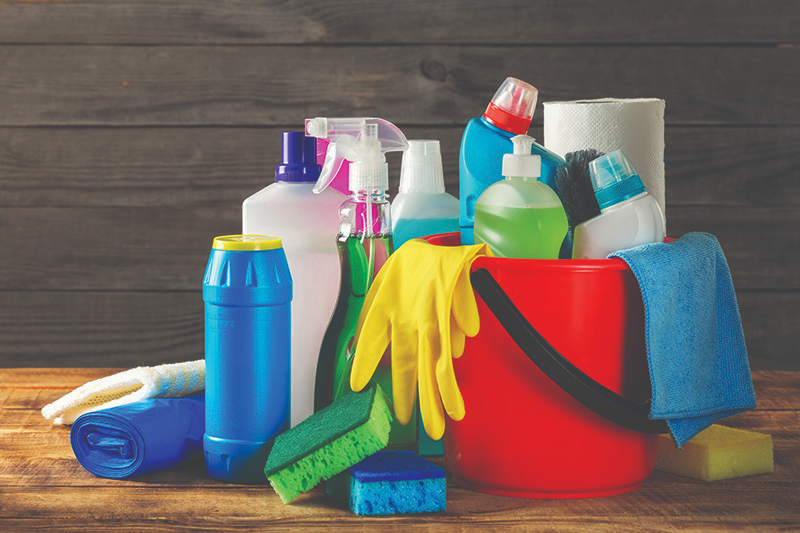
Some items are practically magnets for pollutants. Paper piles and cardboard boxes shed fibers, trap dust, and can harbor mold in humid rooms. Upholstered furniture, throw pillows, stuffed animals, and fabric décor soak up pet dander, pollen, and odors, yet are rarely washed, so allergens cling tightly.
Old clothing or bedding, especially in poorly ventilated closets, can grow mold, while hidden storage under beds or in damp basements collects unseen dust bunnies and mildew. In short, anything porous, soft, or rarely touched becomes a prime offender against indoor air quality.
Clutter doesn’t just trap allergens , it discourages cleaning. When surfaces feel overwhelming, people vacuum less, change filters less often, and even open windows less. That combination of trapped particles and reduced upkeep is what really drives down hvac indoor air quality.
Do Indoor Plants Improve Air Quality?
Plants do help, but with limits. They release oxygen, add freshness, and in some cases absorb small amounts of pollutants. But a single plant won’t transform air quality, and the soil can introduce hidden risks.
Overwatering encourages mold or bacteria that circulate through the room, and some plants shed pollen or sap that irritates sensitive people. The sweet spot is a few well-cared-for plants in pots with proper drainage, spaced so they don’t overcrowd.
Healthy plants in moderation can support cleaner air, while too many in a small space can make things worse. Balanced use of plants can slightly improve indoor air quality, but not replace good cleaning and decluttering.
Clutter also interacts with seasonal air issues. In winter, closed windows combined with cluttered heating vents mean polluted air is recycled. In summer, humid air trapped around cluttered basements or garages fuels mold growth. You could frame clutter as a “seasonal accelerator” of poor hvac indoor air quality.
Which Factor Would Increase Poor Indoor Air Quality
Moisture is the multiplier. In a cluttered home, humidity makes the problem exponential because paper, fabrics, and cardboard absorb dampness, creating a habitat where mold spores and dust mites thrive. When clutter also blocks airflow and reduces ventilation, the result is a breeding ground for allergens.
Dust alone is bad enough, but dust combined with humidity and clutter becomes the perfect storm for unhealthy air. That’s why one of the smartest ways to improve indoor air quality is to keep humidity balanced.
Clutter isn’t only about the usual pillows and stuffed animals, it includes items people don’t often think about. Cords and electronics tangles act as dust magnets, and with added heat they release microburned particles into the air.
Old hobby supplies like paints, glues, and fabric dyes stored in cluttered bins can off-gas for years, while piles of shoes at the entryway track in pollen, pesticides, and even heavy metals from outside soil, all of which directly affect hvac indoor air quality.
Easy Ways To Improve Indoor Air Quality Beyond Decluttering
Vacuuming with a HEPA filter removes fine particles instead of just redistributing them, and opening windows for even ten minutes helps dilute indoor pollutants. Balancing humidity with dehumidifiers in damp areas or humidifiers in dry climates makes it harder for mold and viruses to thrive.
Washing fabrics like bedding, curtains, and throw blankets in hot water keeps allergens from building up, while regularly changing HVAC filters ensures the system captures particles instead of circulating them. These are quick, low-effort add-ons that magnify the benefits of decluttering and improve indoor air quality.
Clutter’s impact isn’t just mechanical. Studies show that visual clutter raises cortisol, the stress hormone, which can increase respiratory inflammation and make you more sensitive to pollutants already in the air, compounding indoor air quality issues.
How Can You Improve Indoor Air Quality
Clutter-free living isn’t just about appearances, it creates a system that keeps air healthier year-round. Regular organization prevents “dust reservoirs” from forming in forgotten corners, while habits like inspecting for leaks, cleaning vents, and rotating stored items stop mold, pests, and hidden allergens from getting established.
An organized home doesn’t just make cleaning easier, it prevents pollutants from having places to hide in the first place. It’s like preventative healthcare for your house: less buildup, less risk, and consistently cleaner air. This is one of the most effective ways to improve indoor air quality.
Competitors may say “organization makes cleaning easier,” but you can take it further. A clutter-free home makes leaks, dampness, or pest problems easier to spot early, preventing air quality disasters like hidden mold walls before they even start.
Organization isn’t just about cleaner air now, it’s about preventing the kind of future damage that silently pollutes the air and undermines hvac indoor air quality.











Comments