
 By
By 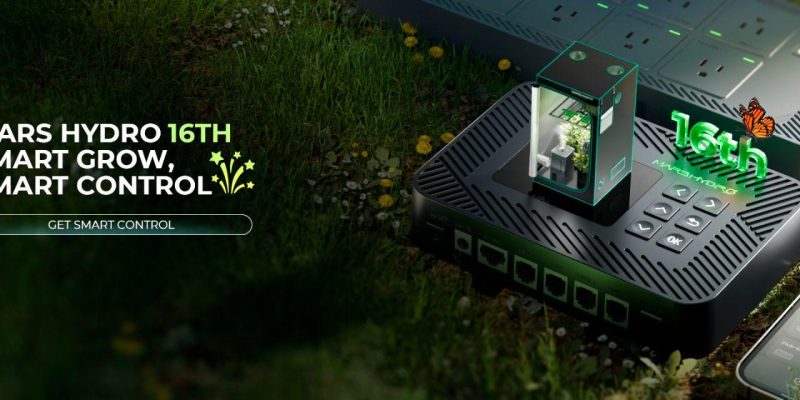
Indoor gardening often begins as a small passion project—a few plants under a basic grow light, a compact tent in the corner, and regular hand-watering. But as your skills improve and your interest deepens, you may start craving bigger yields, healthier plants, and a more consistent growing process.
Upgrading from hobbyist to pro is not just about buying larger equipment—it’s about building a controlled, efficient, and scalable growing environment. Professionals use precision tools, automation, and smart design to produce consistent results, harvest after harvest.
1. Upgrade Your Lighting to Professional Standards
Lighting is the engine of plant growth. While beginner setups may run on budget LEDs or fluorescents, a professional-grade garden benefits from full-spectrum LEDs or high-intensity discharge (HID) fixtures with adjustable intensity and spectrum.
Look for lights with:
- Spectrum tuning: Invest in lights that allow spectrum tuning — more blue for vegetative growth, more red for flowering. Spectrum control helps optimize plant development at each stage, ensuring stronger stems and bigger blooms.
- Dimmable output: Use dimmable outputs to avoid overexposure at different growth stages. Adjusting light intensity allows seedlings and young plants to grow without stress while giving mature plants the energy they need to thrive.
- Uniform coverage: Ensure uniform light coverage to prevent weak spots. Even distribution ensures every plant receives the same amount of energy, reducing uneven growth and maximizing overall yield.
- High efficiency: Pair lights with reflective surfaces to capture and redirect photons efficiently. Reflective walls or Mylar sheets can increase light efficiency, making the most of your lighting setup while reducing wasted energy.
2. Master Climate Control
Light is vital, but temperature, humidity, and airflow determine how effectively plants use that light. Fluctuating conditions can stress plants, stunt growth, or cause mold problems.
Professional upgrades often include:
- Inline exhaust fans: Use inline exhaust fans to vent excess heat from lights and maintain stable temperatures. Exhaust fans remove hot air that can stress plants while improving airflow, preventing stagnant heat pockets that reduce growth.
- Oscillating fans: Add oscillating fans to strengthen stems and promote even air circulation. Moving air mimics natural wind, encouraging sturdier plant growth while evenly distributing temperature and humidity.
- Humidity control: Maintain humidity with humidifiers or dehumidifiers, depending on the growth stage. Seedlings thrive in higher humidity, while flowering plants need lower levels to prevent mold and optimize nutrient uptake.
- Temperature control: Install heaters or AC units to stabilize temperature year-round. Proper temperature management prevents stress, supports photosynthesis, and ensures consistent growth regardless of external conditions.
- Central controller: Consider a grow room controller to automate lights, fans, and environmental devices. It monitors real-time conditions and makes adjustments automatically, reducing human error and keeping the environment ideal for plant health.
3. Improve Nutrient Management
As you move toward professional results, feeding becomes more precise. pH and EC meters help ensure nutrient solutions are perfectly balanced for plant uptake. Some advanced setups use automated nutrient dosing systems to deliver exact ratios at each growth stage.
4. Focus on Biosecurity and Pest Prevention
Instead of fighting pests after they appear, pros work to prevent them entirely. Consider adding HEPA filters to your intake fans, using sticky traps to monitor for insects, and setting up a small “clean zone” before entering your grow space to avoid carrying in contaminants.
5. Embrace Automation
A key shift from hobbyist to pro is eliminating guesswork. Automation keeps your growth consistent, even when you’re not around.
Examples include:
- Timers: Use timers to maintain precise light cycles for all stages of growth. Consistent lighting ensures plants develop properly without stress or uneven growth caused by human error.
- Grow room controllers: Integrate grow room controllers to manage temperature and humidity automatically. Controllers monitor real-time conditions and adjust devices as needed, keeping the environment stable and ideal for plant health.
- Automated irrigation: Install automated irrigation systems to deliver exact amounts of water and nutrients. Precise feeding prevents overwatering or deficiencies, ensuring plants receive what they need at every stage.
- CO₂ injection systems: Use CO₂ injection systems triggered by sensors to maintain optimal levels for photosynthesis. Controlled CO₂ enrichment accelerates growth and can increase yields without risking plant stress.
6. Plan for Scalability
If you expect your grow to expand, choose equipment that can grow with you. Modular shelving, adjustable light rails, and multi-zone controllers allow you to add capacity without replacing your entire setup.
Final Thoughts
Transitioning from hobbyist to pro is more than just an equipment upgrade—it’s about adopting a mindset of precision, consistency, and efficiency. By improving lighting, mastering climate control, automating processes, refining nutrient delivery, and designing for scalability, you can create a system that delivers high-quality results every time.





Comments