
 By
By 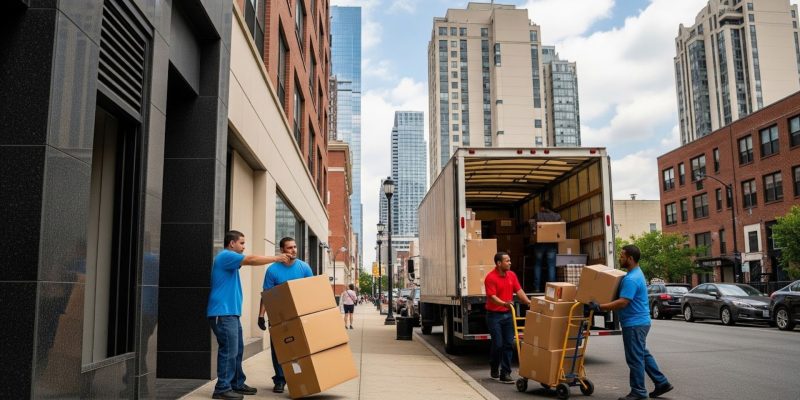
Relocating in New Jersey often feels like life is moving at double speed. Whether you’re transitioning into a high-rise apartment with a view of the Hudson, a sprawling suburban home, or a seasonal getaway down the Shore, every move comes with its own set of moving parts.
Because of this, many homeowners and local businesses look for the kind of professional movers NJ residents have relied on for years to keep things structured and stress-free.
New Jersey might be small, but it’s densely packed and incredibly diverse when it comes to housing. Moving here is a different beast than moving anywhere else.
Understanding the local landscape and knowing how to prep will help you head into moving day with genuine confidence rather than just crossing your fingers.
Understanding the Moving Landscape in New Jersey
Don’t let the state’s size fool you; New Jersey offers a wide variety of moving environments. Your game plan needs to shift depending on exactly where you’re coming from and where you’re headed.
Urban Moves and High-Rise Buildings
In cities like Newark or Jersey City, moving is a logistical puzzle. Most apartment buildings have strict “moving windows,” require you to reserve freight elevators weeks in advance, and won’t let a truck park until they see specific insurance certificates.
Parking is another hurdle. You’ll likely need temporary permits just to get a truck on the street. Professional movers who know these cities don’t just show up; they anticipate these hurdles. Success in a dense urban area isn’t about how many miles you’re traveling. It’s about timing and access.
Suburban and Residential Neighborhood Relocations
Suburban moves usually involve more square footage, which inevitably means more stuff. While getting a truck into a driveway is easier than parallel parking in Hoboken, these moves require a different kind of focus: volume and protection.
When you’re moving a full household, protecting floors, banisters, and doorframes is a priority. Heavy furniture often needs to be dismantled and rebuilt, and some HOAs have specific rules about when trucks can be in the neighborhood. A good suburban move relies on a room-by-room strategy to ensure everything lands in the right spot on the other end.
Shore and Seasonal Property Moves
If you’re moving toward the coast, timing is everything. Traffic patterns change drastically with the seasons, and trying to schedule a move in the middle of summer can be a challenge. The weather is also a major factor at the Shore.
Sometimes these moves happen in stages, or you might need a place to stash your belongings while you transition between a primary residence and a seasonal home. Planning ahead ensures your arrival matches up with your move-in date and local traffic flow.
Services Offered by Professional Movers in NJ

Professional moving companies provide a suite of services designed to take the heavy lifting (literally) off your plate.
Local Residential Moving
Even if you’re just hopping one town over, the logistics are still there. Short-distance moves require just as much care when it comes to packing and wrapping.
Professional teams handle the disassembly of furniture and make sure everything is placed exactly where you want it in the new house. A solid labeling system is your best friend here, as it makes the unpacking process much faster.
Long-Distance and Interstate Relocations
Crossing state lines adds a few layers of complexity. These moves involve federal regulations, detailed inventories, and very specific delivery windows.
Communication is the most important tool during a long-distance move. Knowing the estimated transit time and what to expect on delivery day helps you settle in without any unwelcome surprises.
Professional Packing and Specialty Handling
Packing is often the most exhausting part of moving. Experienced NJ movers use high-quality materials and specific techniques to keep your valuables safe.
For items like fine art, antiques, or a piano, you’ll want specialty handling or custom crating. If you have items that are fragile or hold sentimental value, professional packing is an investment in peace of mind.
Storage Solutions for Transitional Periods
Sometimes the stars don’t align, and your move-out date happens before your new place is ready. Whether it’s a closing delay or a renovation project, temporary storage is a lifesaver.
Using a secure facility keeps your belongings safe until you’re ready for them. Plus, a good tracking system ensures you know exactly where your items are while they’re tucked away.
White Glove Moving & Storage is a prime example of a team that understands the nuances of New Jersey moves. With years of experience and a crew that knows how to handle delicate items, they offer everything from full-service packing to secure storage.
Companies like this prove that expert help makes a world of difference in how a move feels.
How to Choose the Right Moving Company in NJ
Picking a mover is about more than just finding the lowest number on a quote.
Licensing and Regulatory Compliance
Any mover working within New Jersey must have a state license. If they’re crossing state lines, they need federal credentials too. Verifying these numbers is the easiest way to make sure you’re working with a legitimate business that follows industry standards.
Experience and Industry Reputation
Longevity matters in this business. A company that has been around for a while has likely seen it all. Seek reviews and ask for recommendations to see how they handle communication and reliability. Experienced movers are better at navigating the “what-ifs,” like a narrow staircase or an unexpected rainstorm.
Transparent Estimates and Clear Communication
A reliable estimate should be detailed, covering services, insurance, and timing. Trustworthy NJ movers will usually perform an in-person or virtual walkthrough to give you an accurate quote. Clear, upfront information prevents “sticker shock” later on and builds the trust you need when handing over your life’s belongings.
Preparing for Moving Day in New Jersey
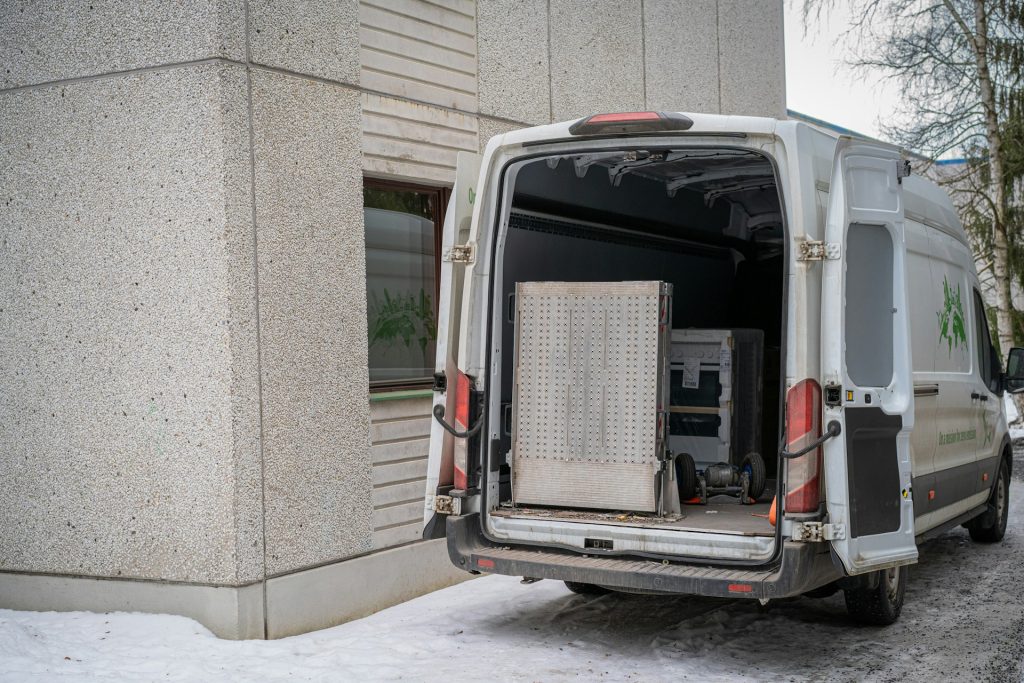
Your level of preparation dictates how smooth the actual day will be. A little organization goes a long way.
Establishing a Moving Timeline
Try to start the process six to eight weeks out. Booking early is the only way to guarantee the dates you want, especially during peak moving season. If you start packing non-essential items a little bit every day, you won’t feel that frantic rush at the end.
Use the final week to double-check building access, parking permits, and utility transfers.
Organizing and Streamlining Belongings
Moving is the perfect excuse to declutter. Sorting through your things before they go into a box means you aren’t paying to move items you don’t even want.
Also, remember to put together an essentials box with things like meds, chargers, and important paperwork, so you aren’t digging through 50 boxes on your first night.
Confirming Final Details
A few days before the move, reach out to your movers to confirm the arrival time and share any last-minute instructions. Let them know about any tricky stairs or elevator quirks.
Keeping those lines of communication open helps the crew hit the ground running the moment they arrive.
Common Moving Challenges in NJ
Even with the best plan, New Jersey can throw a few curveballs.
Traffic and Timing Constraints
The Garden State is famous for its traffic. Congestion near bridges and major highways can definitely impact a moving schedule. Being flexible and aiming for an early start can help you beat the worst of the rush.
Weather Considerations
From winter snow to summer thunderstorms, the weather can be unpredictable. It’s always a good idea to monitor the weather forecast and keep in contact with your moving coordinator to adjust the plan if Mother Nature decides to act up.
Building Requirements and Documentation
Sometimes, building managers change their rules or insurance requirements at the last minute. It’s worth a quick phone call a few days before the move just to make sure all your paperwork is still in order.
Creating a Confident Start in Your New Space
Moving in New Jersey involves a lot of variables, from tight city streets to quiet suburban cul-de-sacs. Understanding these different environments and knowing what services are available is the best way to get ready for the big day.
By choosing a licensed, experienced team and staying organized, you can sidestep the typical headaches of relocating. With a solid plan and the right support, you can actually enjoy the transition and start your next chapter in your new home with total confidence.
FAQs for Planning a Move in New Jersey
How Far in Advance Should I Schedule Movers in Nj?
Ideally, you should book six to eight weeks out. Summer is incredibly busy, so the earlier you call, the better your chances of getting your preferred date.
Do I Need a Parking Permit for A Moving Truck in New Jersey?
In many urban areas, yes. It’s best to check with your local town hall or building manager to see if you need to reserve a spot.
What Determines the Cost of A Move in Nj?
Pricing usually depends on how much stuff you have, the distance of the move, which services you choose, and your moving date. A formal survey is the best way to get an accurate price.
Are Specialty Items Handled Differently?
Absolutely. Items like pianos, art, and antiques often require specialized equipment or custom wooden crates to ensure they stay protected.
Can Nj Movers Handle Both Packing and Unpacking?
Yes, many companies offer “white glove” services where they handle everything from boxing up your kitchen to setting up your furniture at the new place.
What Happens if My Closing Date Changes?
Most professional movers offer short-term storage solutions if there’s a gap between leaving your old home and getting the keys to your new one.
Is It Better to Move on A Weekday or A Weekend?
Weekdays are often easier to schedule and can sometimes be more cost-effective, though availability really depends on the time of year.













Comments