
 By
By 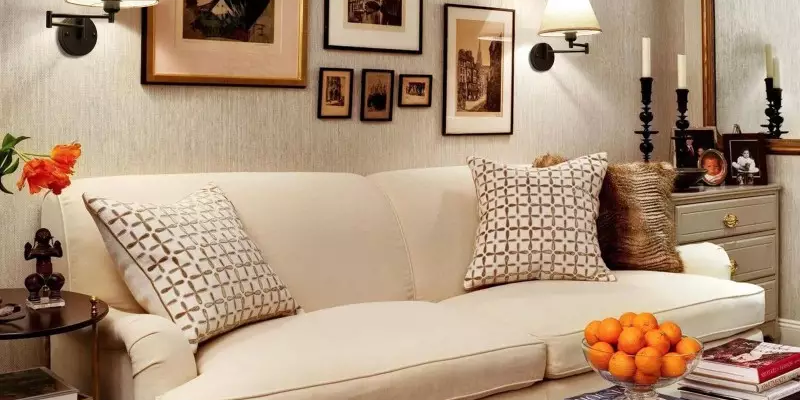
If you’ve ever curled up on the couch with a book and found yourself leaning toward a dim table lamp, you already know why wall sconces above the couch are having a moment. They free up your end tables, save floor space, and bring a warm, flattering glow right where you actually sit. When done well, a pair of wall sconces can feel like jewelry for your living room wall, framing the sofa and turning a simple seating area into a polished focal point.
This guide walks you through everything you need to know, including how high to hang wall sconces above the couch, how far apart to place them, which styles work best for reading versus mood lighting, and whether plug-in or hardwired fixtures are better suited for your home. We’ll also cover installation tips, styling ideas, common mistakes, and real-world answers to the questions people ask most.
Along the way, we’ll draw on design principles that brands like Rowabi Lighting use when designing wall sconces for modern homes, practical, beautiful, and easy to live with.
How to Determine the Right Height and Placement for Wall Sconces Above Your Couch
Getting the height and placement right is what separates “nice idea” from “wow, that looks designed.” The goal is simple: the sconces should feel comfortable for your eyes when you’re seated, and balanced with the sofa and wall, not floating randomly in space.
As a starting point, most people will position themselves at the center of the light source, which is roughly at or slightly above seated eye level. On an average sofa with standard ceiling height, that usually means the center of the shade or bulb is around 150- 165 cm (about 60-65 inches) from the floor. The idea is that when you sit down, you’re looking under the shade or into a soft glow, not straight into a bright bulb.
Distance from the sofa also matters. If you’re hanging a pair of wall sconces above a straight sofa, a good guideline is:
- Leave 8- 15 cm (3-6 inches) of space between the back of the sofa and the wall, so your fixtures aren’t pressed against the upholstery.
- Place each sconce roughly above the outer third of the sofa instead of directly over the arms. This frames the seating area and maintains the wall composition’s balance.
- Ensure that swing arm sconces can extend over the seating area without obstructing anyone’s head.
If you have an L-shaped or sectional sofa, consider where people typically sit and read. A single sconce centered over the main seat or a pair framing the longer side of the sectional often works best. For a cozy reading nook with one lounge chair or love seat, one adjustable reading sconce placed just behind your shoulder is usually enough.
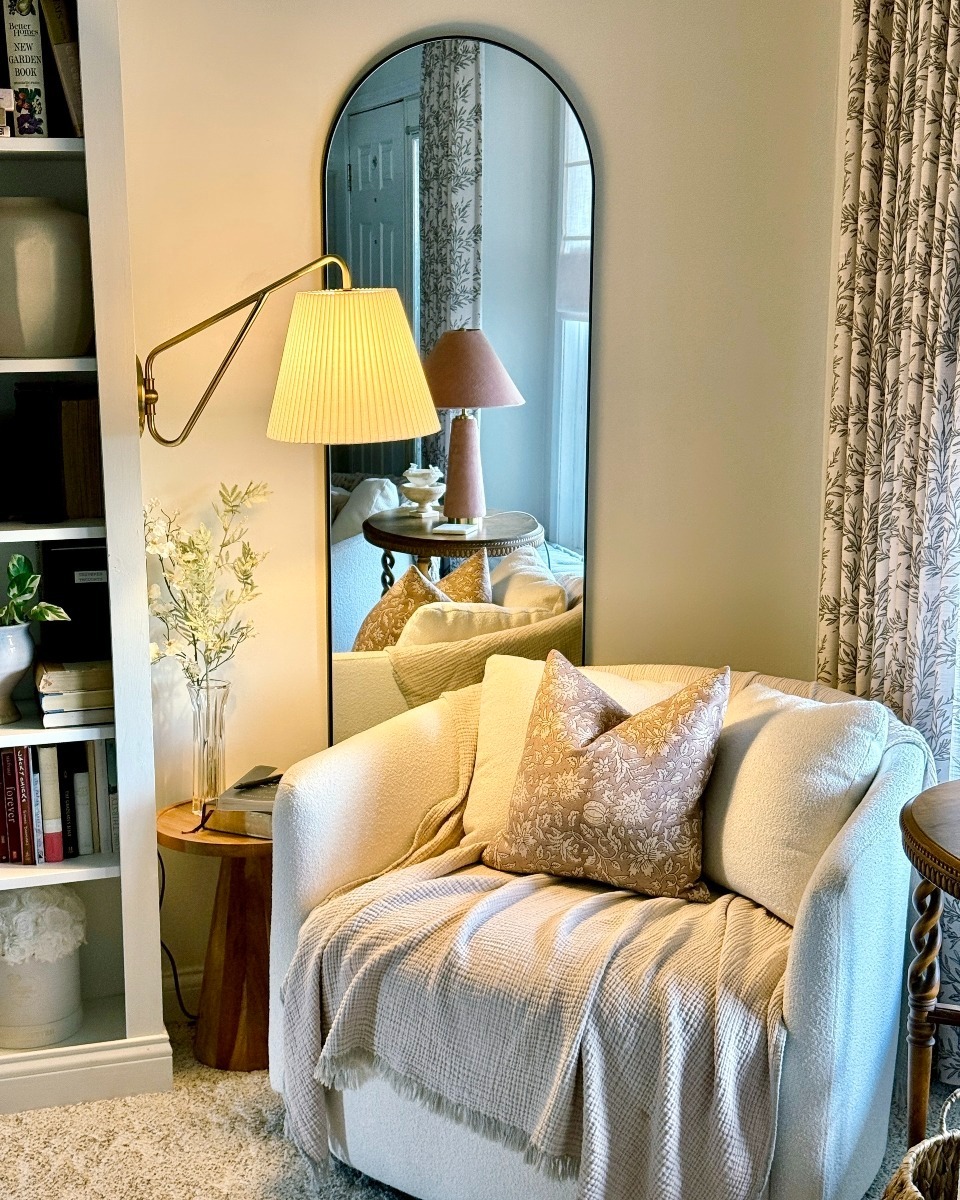
Eva Swing-Arm Sconce from Rowabi is one of the most popular choices from the past year for reading areas. Its classic design not only enhances the aesthetic of the space but also boasts a flexible and functional design that customers highly appreciate.
Because every living room wall is different, always step back and “eyeball” the arrangement. Look at:
- The height of your ceiling
- Any artwork or mirror hanging above the sofa
- The proportions of the sofa itself (bulky vs. slim)
- How the sconces line up with doorways, windows, or other fixtures
Use a pencil, painter’s tape, or paper templates to visualize where your wall sconces will sit before you drill a single hole. A few extra minutes here saves patching later and ensures your wall sconces above the couch look intentional and balanced from every angle.
How to Choose the Right Wall Sconces for the Sofa Area
Once you know where your living room wall sconces will be placed, it’s time to decide what they should look like and how they should function. The right fixture depends on how you actually use your couch: do you read, watch TV, host guests, or all of the above?
Choose the Wall Sconce Based on Your Needs
If you’re a reader, look for swing arm wall sconces or adjustable reading sconces. These designs let you pull the light closer to your book or knitting and push it back when you’re done. Shades that direct light downward while softly diffusing it to the sides work well because they keep glare out of your eyes but still brighten the surrounding space.
Think About the Ambiance You Wanna Create
For mood lighting, you might not need adjustable arms at all. Fixed sconces that wash light up and down the wall, or highlight artwork above the sofa, create a warm glow that’s perfect for conversation or movie nights. In this case, the quality of the light is more important than the exact beam direction, choose warm white LED bulbs to keep things cozy.
Make Sure that Your Choices Fit Your Interiors
Style is where your wall sconces become part of the decor story. Think about the materials and shapes already in your living room:
- Minimalist brass wall lights pair beautifully with neutral sofas and clean, modern lines.
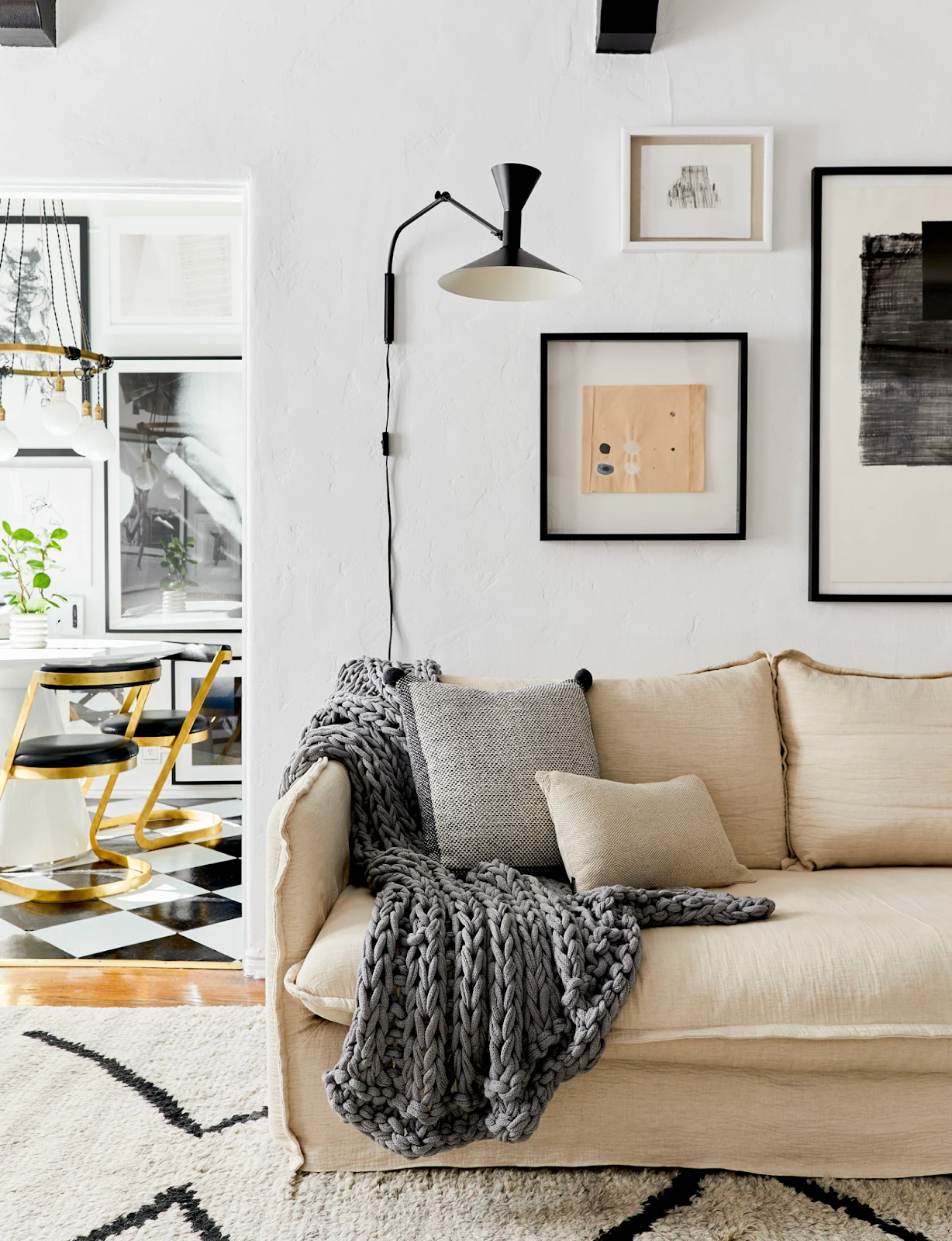
- Matte black sconces add graphic contrast above a light sofa or on a pale wall.
- Mid-century inspired designs with simple, curved shades suit tapered-leg furniture and vintage rugs.
- Farmhouse or classic interiors might benefit from fabric shades, antique-style finishes, or candle-inspired forms.
- For organic, textural spaces, rattan or woven shades like many pieces you’ll find from brands such as Rowabi Lighting soften the wall and echo natural materials in the room.
Also, pay attention to size. Chunky, deep-seated sofas can handle larger fixtures, while slimline sofas and narrow walls work better with smaller, daintier sconces. A good rule of thumb is that each sconce should feel substantial next to the sofa but not overpower it somewhere around one-third to one-half the height of the sofa back usually feels balanced.
By aligning function (reading vs. mood), style, and scale, you’ll end up with wall sconces that feel like they were designed specifically for your sofa wall, rather than being added as an afterthought.
Plug-In vs. Hardwired Wall Sconces Above the Couch
One of the biggest decisions you’ll make is whether to go with plug-in sconces or hardwired fixtures. Both can look beautiful above a couch; the right choice comes down to your home, your budget, and how permanent you want the setup to be.
What Is a Plug-In Fixture?
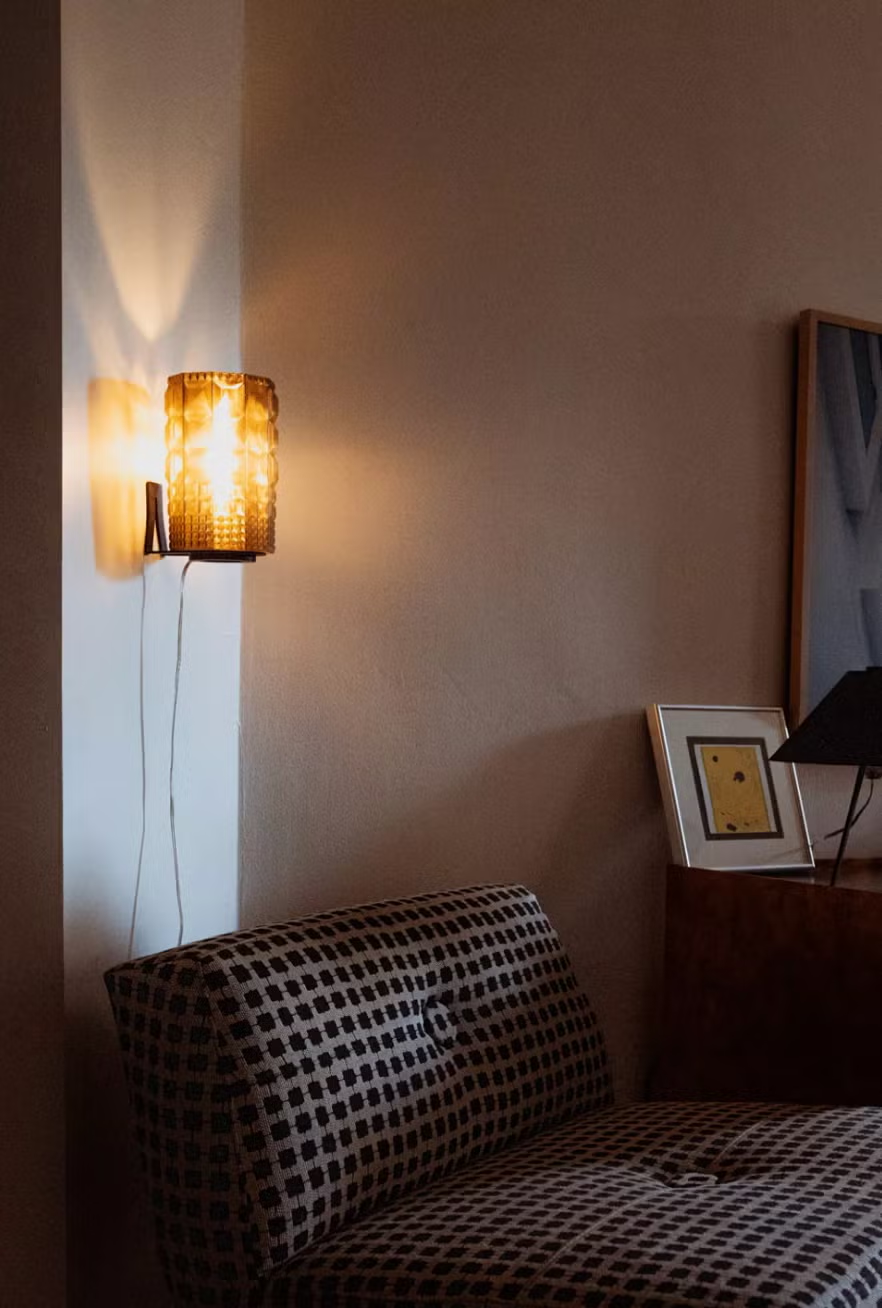
Plug-in wall sconces are popular in apartments, rentals, and any living room where you don’t want to open up the walls. These fixtures have a standard cord that plugs into a nearby outlet, usually near the baseboard. The benefits are clear:
- You can often install them yourself with simple tools.
- They’re easy to move if you rearrange your living room layout.
- No need for an electrician or new wiring behind the wall.
Visually, the cord is the main trade-off. Some plug-in sconces come with cord covers or attractive fabric-wrapped cables that become part of the design. You can also run the cord neatly down the wall and along the baseboard, painting a cord cover to match your wall color so it quietly disappears.
What Is a Hardwired Fixture?
Hardwired wall sconces connect directly to your home’s electrical system behind the wall. There’s no visible cord, which creates a very clean, custom look especially powerful when you’re framing a sofa and artwork on an accent wall. Hardwired fixtures are ideal if:
- You’re remodeling or building, and can plan for electrical boxes in the right spots.
- You want a long-term, built-in solution that feels like part of the architecture.
- You prefer using a wall switch or dimmer to control the lights.
The trade-off is that you will likely need a licensed electrician, and changes later are more complex. If you move the sofa significantly, the wall sconces might no longer sit in the right place.
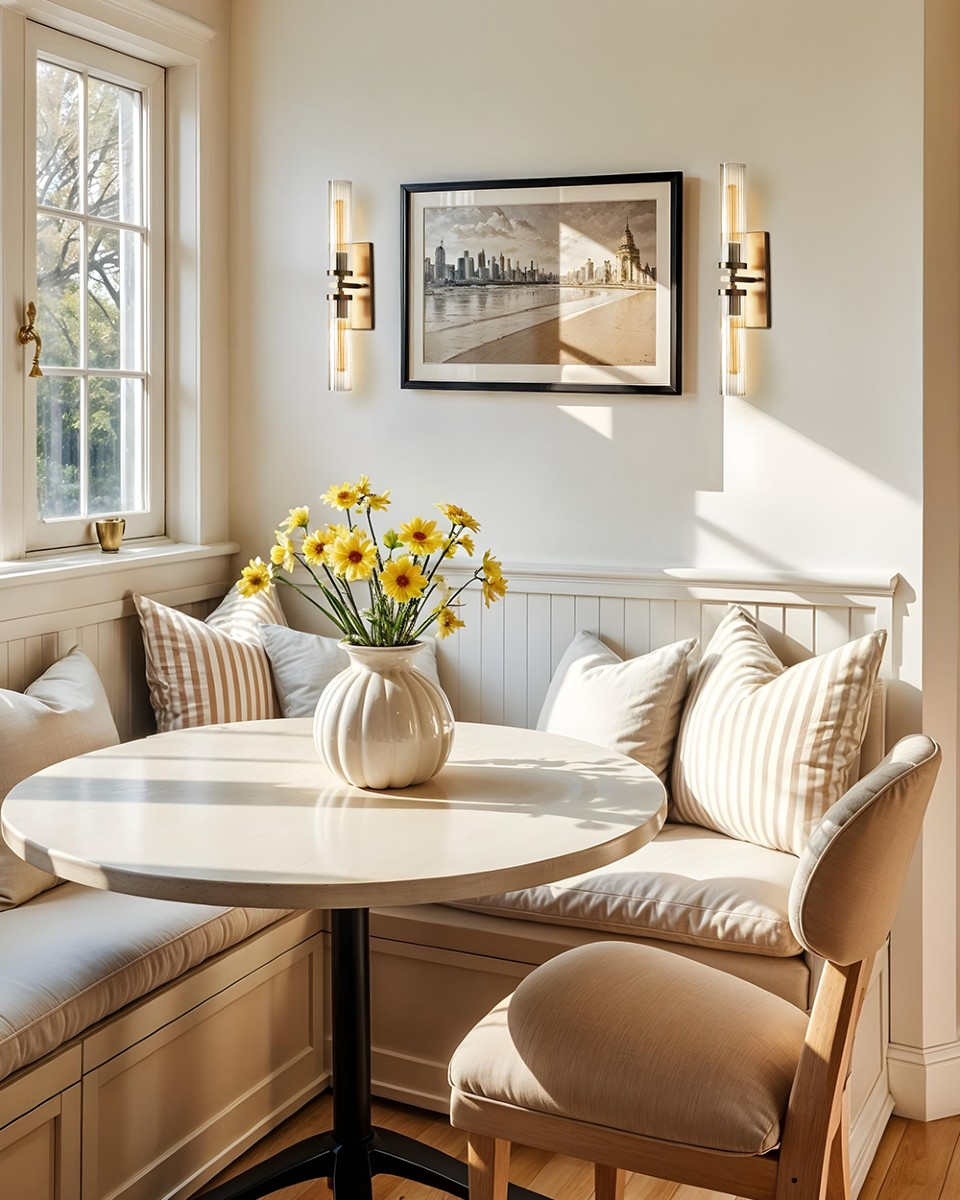
As a simple guide, consider this: plug-in sconces for flexibility and ease, and hardwired sconces for a sleek, permanent feel. Many homeowners even use a mix hardwired in the main living room and plug-in swing arm sconces in reading corners or secondary seating areas. Brands like Rowabi.com often design collections with both options, allowing you to match the look across different spaces in your home.
Step-by-Step Guide to Installing Plug-In Wall Sconces Above a Sofa
If you choose plug-in sconces, you don’t need to be a contractor to get a professional result. What you do need is patience, a tape measure, and a plan. Here is a simple process you can follow.
Step 1: Commit your furniture layout
Decide exactly where the sofa will be placed and whether it will be accompanied by end tables, a side chair, or a console. If you’re planning artwork or a mirror above the sofa, keep that in mind too. Once the screws are in the wall, you don’t want to discover that sliding the couch 10 cm to the left would have looked better.
Step 2: Determine the Ideal Height for Your Light Source
By using the comfort guidelines from earlier, usually around 150–165 cm from the floor to the center of the shade. Remember that the mounting plate isn’t always the same as the light source; on many swing arm designs, the bulb sits higher or lower than the backplate, so measure accordingly.
Once you’ve decided on height and rough placement for the first sconce, lightly mark the spot with a pencil. Use a tape measure to note:
- Distance from the floor to the mounting point
- Distance from the nearest side of the sofa to that same point
Move to the other side of the sofa and repeat those measurements so the second sconce mirrors the first. Use a level if your backplate is square or rectangular to keep everything straight. If your sconces are heavy or have pull chains you’ll be tugging regularly, consider using drywall anchors rated for the fixture’s weight. Don’t forget to drill pilot holes if needed.
Step 3: Screw the Mounting Plate
Now you have the sign for positions, insert anchors, and then screw the mounting plates into place.
After the plates feel solid, attach the sconces according to the manufacturer’s instructions and add your bulbs. Don’t forget to turn off the electric source before installing fixtures (for your safe, of course!) Finally, route the plug-in cords neatly down the wall. You can:
- Use adhesive cord clips to guide the cable to the baseboard.
- Add a cord cover you can paint to match the wall.
- Position furniture or decor strategically to make the cord less noticeable.
Test the lights seated on the sofa. Adjust any swing arms so they clear your head and shoulders comfortably, and tweak the shades or bulb choice if the light feels too harsh. Take your time, thoughtful installation is what makes plug-in wall sconces look intentional rather than temporary.
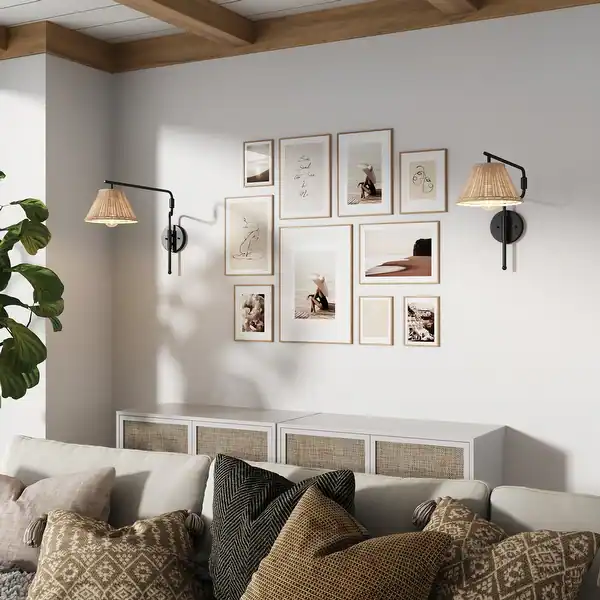
Styling Ideas for the Wall Behind Your Couch with Sconces
Once your wall sconces are installed, the fun really begins. They don’t just provide sofa wall lighting; they shape the entire personality of your living room. The right styling around them can make your space feel modern, cozy, or somewhere in between.
For a modern, minimalist look, consider a pair of slim brass or matte black sconces flanking a clean-lined sofa. Keep the artwork above the couch simply a single large piece or a tightly edited gallery wall. The sconces act like parentheses, visually framing the sofa and art. Complement the look with a neutral rug, streamlined coffee table, and a few sculptural decor pieces.
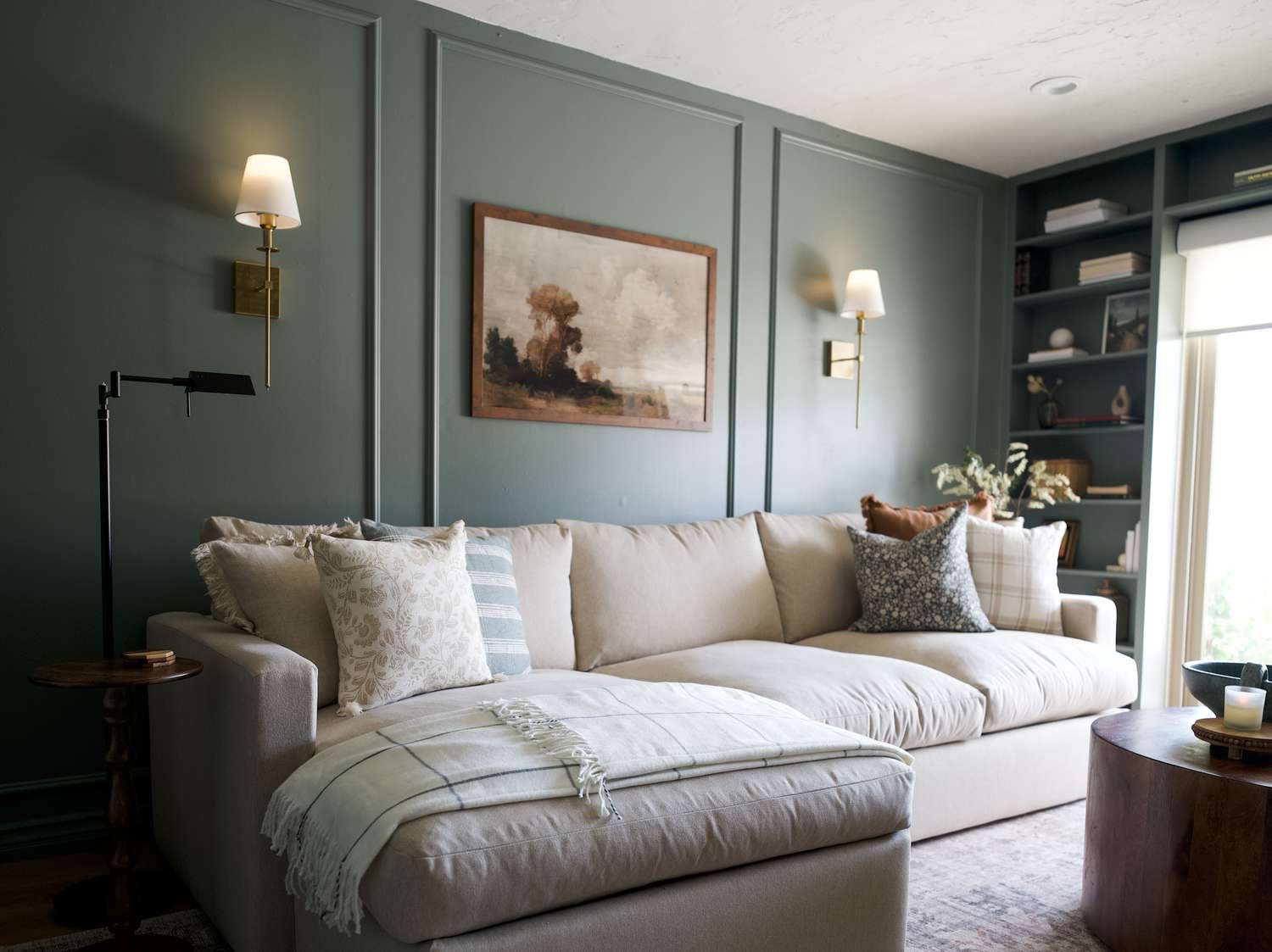
If your style leans traditional or farmhouse, choose wall sconces with soft fabric shades, curved arms, or antique finishes. Hang them on either side of a landscape painting or a vintage mirror above the sofa. Layer in cozy textures, such as knitted throw blankets, plaid or floral pillows, and a woven rug. The sconces will cast a gentle glow that reinforces the inviting feel of the room.
In smaller living rooms or apartments, wall sconces above the couch can replace bulky floor lamps, providing a more streamlined look. Try plug-in swing arm sconces on either side of a compact sofa, especially along a narrow accent wall. Keep side tables small and clutter-free just a candle, a small plant, or a favorite book. The lighting does the heavy lifting, making the room feel pulled together even without much furniture.
You can also use wall sconces to highlight texture. On a dark accent wall, warm white sconces create beautiful halos of light that make rich paint colors, wood paneling, or plaster finishes stand out. In organic, Japandi, or boho spaces, woven shades and natural materials (a Rowabi Lighting specialty) echo other elements like jute rugs, linen curtains, and wooden furniture, tying the whole room together.
Whatever your style, think of the wall behind the couch as a mini stage. The sofa is the main character, the wall sconces are the spotlight, and everything else art, pillows, decor plays a supporting role to create the desired mood.
How to Layer Wall Sconces with Other Living Room Lighting
Wall sconces above a couch are only one part of a well-lit living room. To make your space truly comfortable and versatile, they should work together with other light sources rather than trying to do everything on their own.
Most successful living rooms combine three types of light:
- General lighting : ceiling fixtures, recessed lighting, or a central pendant that brightens the entire room.
- Task lighting : focused light for specific activities like reading, working, or playing games.
- Accent lighting: light that highlights features like artwork, shelves, plants, or architectural details.
Wall sconces above the couch can blur the lines between task and accent lighting. A pair of adjustable reading sconces clearly supports reading and laptop work, while also providing a warm pool of light that makes the seating area feel special. Fixed sconces that wash light up and down an accent wall are pure mood, but they still help your eyes adjust comfortably when the rest of the room is darker.
PairRowabi’s Sammie Tier Flush Mountwith wall sconces and a lamp to create the layered illumination, not just a lighting function, but also set the mood for the gathering space.
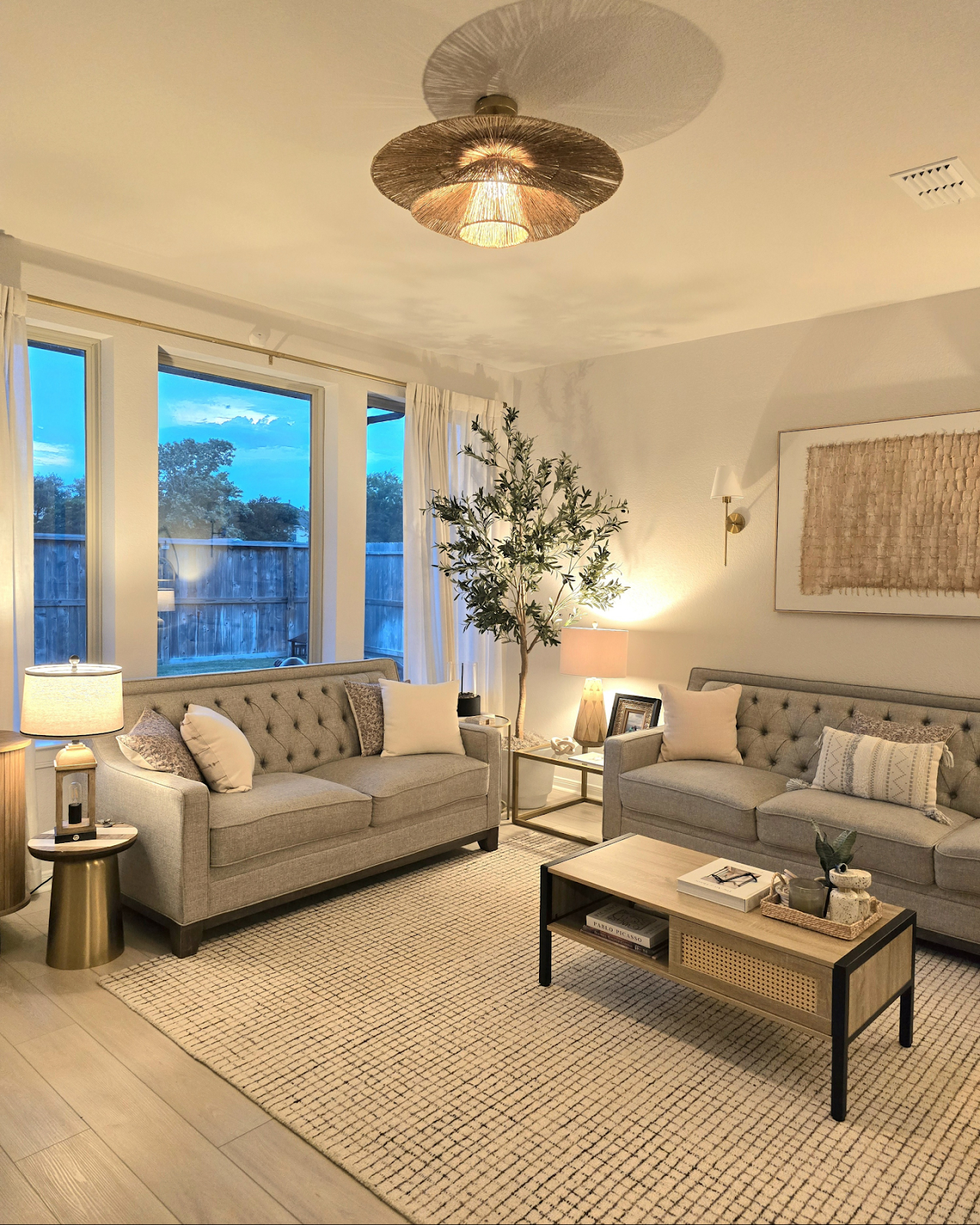
To layer effectively:
- Keep your ceiling lights on a separate switch from your wall sconces, allowing you to control them independently.
- Use dimmable bulbs or dimmer switches wherever possible, especially near the sofa. Bright for reading, soft for movie night.
- Consider how the light reflects off surfaces, glossy paint or glass art may need softer, diffused sconces to avoid glare.
- Balance the sofa wall with other lit areas, such as a floor lamp near a reading chair or a small table lamp on a console.
In an open-plan space that combines living, dining, and kitchen areas, layered lighting is particularly important. Wall sconces above the couch help visually zone the living area without walls, making it feel like its own cozy corner.
When brands like Rowabi design collections, they often think in terms of families: how convenient for customers to coordinate lighting fixtures with their interiors and spaces, allowing them to mix and match pieces that naturally layer well together. That is the reason why Rowabi’s product features versatile designs with various sizes and adjustable, dimmable to easily fit with any room.
Common Mistakes When Hanging Wall Sconces Above a Couch (and How to Avoid Them)
Even the most beautiful wall sconces can look off if they’re installed poorly. The good news is that most mistakes are easy to avoid once you know what to watch for.
Hanging the Wall Sconce Too High or Too Low
If they’re too high, they can make the ceiling feel lower and the sofa disconnected from the wall. Too low, and you risk bumping them with your shoulder or seeing the bulb directly when you sit. Always test the height by actually sitting on the couch and noting where your eyes fall relative to the light source.
Forget the Size of The Sofa
Another mistake is ignoring the width of the sofa. Sconces placed too close together can make the furniture feel cramped and out of proportion. Too far apart, and the center of the wall looks empty. Aim for each sconce to sit roughly over the outer third of the sofa’s width and adjust for artwork as needed.
Underestimate the Importance of Scale
Tiny sconces above a large, deep sectional can look lost, while oversized industrial lights can overwhelm a delicate love seat. Consider the visual weight of the sofa, coffee table, and artwork together when choosing fixture size.
Forget Setting up The Cord
With plug-in sconces, messy cords are another common frustration. Letting cords dangle at odd angles or cross open space visually clutters the room. Plan your cord path ahead of time, use cord clips or covers, and make sure you have a convenient outlet near the baseboard.
Choose the Wrong Bulb Types
Finally, some homeowners choose the wrong type of bulb. Overly cool, bright bulbs can make a cozy living room feel harsh and clinical. Opt for warm white LEDs with a comfortable brightness level enough for reading if that’s your goal, but not so intense that they overpower your other lighting.
By checking height, spacing, scale, cord management, and bulbs, you’ll avoid the pitfalls that make wall sconces feel like an afterthought and instead create a polished, designer-level look above your couch.
FAQs About Wall Sconces Above a Couch
How high should wall sconces be above a couch?
For most living rooms, a good starting point is 150–165 cm (60–65 inches) from the floor to the center of the light source. Adjust slightly based on your ceiling height, sofa height, and whether you want more direct task light or softer mood light.
How Far Apart Should Sconces Be on The Wall Behind a Sofa?
Rather than Focusing on A Fixed Number of Centimeters, Think in Terms of Proportion. for A Standard Three-Seat Sofa, Placing Each Sconce Roughly Above the Outer Third of The Sofa Creates a Balanced Look. Be Sure to Stand Back and Check the Composition with Any Artwork in Between.
Are Plug-In Wall Sconces Okay for The Living Room, or Do They Look Unfinished?
Well-Chosen Plug-In Sconces Can Look Very Polished, Especially when The Cord Is Handled Neatly. Look for Designs with Attractive Cords or Use Cord Covers that Match the Wall. Many Design-Forward Brands, Including Rowabi.Com, Offer Plug-In Options Specifically Meant to Look Stylish and Intentional.
What Kind of Bulb Is Best for Wall Sconces Above a Couch?
Warm White Led Bulbs Are Usually Ideal. They Provide Enough Brightness for Reading without Feeling Cold or Harsh. if You Can, Choose Dimmable Bulbs so You Can Fine-Tune the Light Level for Different Activities.
Can I Install Wall Sconces Over the Couch Myself?
Plug-In Wall Sconces Are Typically Diy-Friendly with Basic Tools and Careful Measuring. Hardwired Sconces Should Be Installed by A Qualified Electrician to Keep Your Home Safe and Meet Local Electrical Codes.
Do I Need Other Light Sources if I Have Wall Sconces Above the Sofa?
Yes. Wall Sconces Are Wonderful for Highlighting the Seating Area and Providing Task or Accent Light, but They Work Best as Part of A Layered Lighting Plan that Also Includes Ambient Ceiling Light and Perhaps a Floor or Table Lamp. the Goal Is Flexibility and Comfort, No Matter What You’re Doing in The Room.
When you take time to plan height, placement, style, and layering, wall sconces above the couch become more than just lighting they become one of the most powerful tools for shaping the mood and function of your living room.









Comments