
 By
By 
Property disasters rarely happen at a convenient time. A pipe can burst in the middle of the night, a fire can leave your home uninhabitable, or a severe storm can damage your roof just before heavy rain arrives. During these stressful situations, emergency restoration services provide immediate assistance to stabilize your property, prevent further damage, and begin the recovery process as quickly as possible. Understanding what these services include and when to call for professional help can save you thousands of dollars in repairs while helping your family return to a safe living environment sooner.
Many homeowners assume restoration begins after the emergency has ended, but in reality, the first few hours are often the most important. Water continues spreading through building materials, smoke residue becomes more difficult to remove over time, and storm damage can expose your home to additional weather. Acting quickly can significantly reduce both the cost and complexity of the restoration process.
What Are Emergency Restoration Services?
Emergency restoration services are immediate response solutions designed to minimize damage after a property has been affected by water, fire, storms, mold, sewage backups, or other disasters. Unlike standard repair work, emergency restoration focuses on stabilizing the property before additional damage occurs.
The primary goal is to stop the situation from getting worse. This may involve extracting standing water, securing damaged roofs, boarding broken windows, removing hazardous debris, or beginning structural drying. Once the property has been stabilized, restoration professionals develop a comprehensive plan to repair and restore the damaged areas.
Because disasters can happen at any hour, most professional restoration companies operate 24 hours a day, seven days a week, including weekends and holidays.
Why Fast Response Is So Important
Time plays a critical role in every restoration project. Water damage becomes more severe with each passing hour as moisture spreads into drywall, insulation, wood framing, and flooring. Fire damage continues even after the flames are extinguished because soot and smoke particles settle throughout the property, causing discoloration and corrosion.
Storm damage creates another challenge. A roof that has been partially torn away leaves the home vulnerable to additional rainfall, wind, and falling debris. Waiting even a day or two can dramatically increase the amount of damage that must be repaired.
Quick intervention helps reduce structural deterioration, protects personal belongings, limits mold growth, and improves the likelihood that damaged materials can be restored instead of replaced.
Situations That Require Emergency Restoration
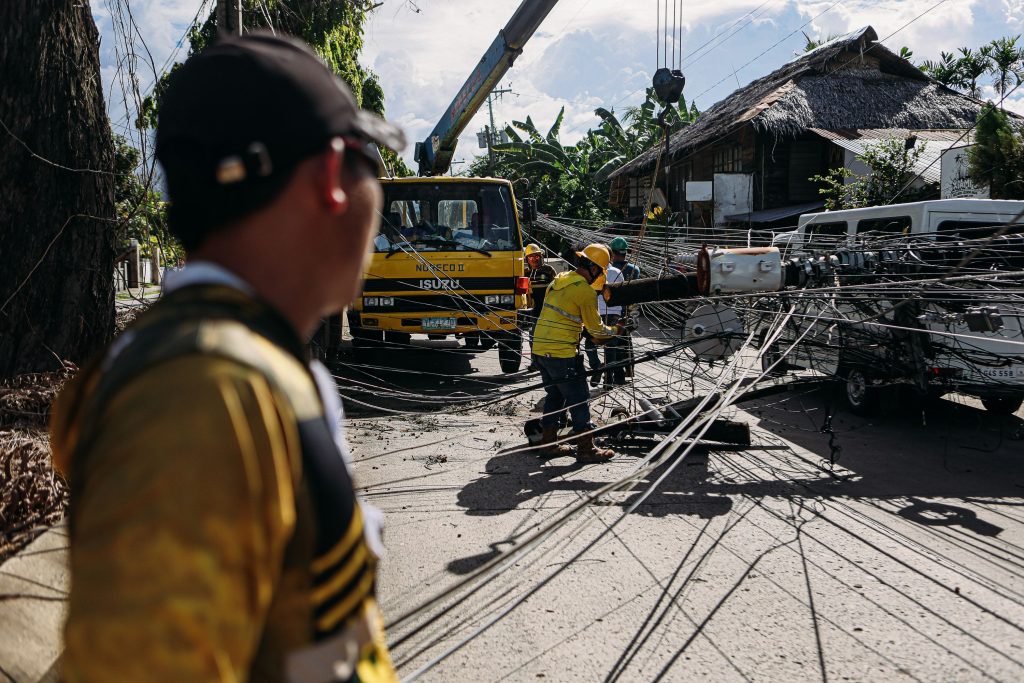
Not every maintenance issue requires an emergency response, but certain situations should never be delayed.
Water Damage Emergencies
Water damage is one of the most common reasons homeowners request emergency restoration services. A burst pipe, overflowing washing machine, leaking water heater, or broken supply line can release hundreds of gallons of water into a home within a short period.
Even relatively small leaks can become major problems if moisture spreads behind walls or beneath flooring. Professional restoration companies have specialized equipment that removes water quickly and detects hidden moisture before it causes additional damage.
Fire and Smoke Damage
After firefighters leave the scene, the restoration process begins immediately. Smoke residue, soot contamination, and water from firefighting efforts all require prompt attention.
Emergency restoration teams secure the property, remove standing water, begin smoke cleanup, and take steps to eliminate odors before they become permanently embedded in building materials.
Quick action also improves the chances of salvaging furniture, electronics, documents, and personal belongings.
Storm Damage
Severe weather can damage roofing, siding, windows, gutters, and structural components in just a matter of minutes.
Emergency restoration professionals often install temporary roof tarps, board broken windows, remove fallen trees, and stabilize damaged structures until permanent repairs can begin.
These temporary measures help prevent additional rainwater from entering the home and causing secondary damage.
Sewage Backups
Sewage backups are among the most hazardous restoration emergencies because contaminated water may contain bacteria, viruses, and other harmful microorganisms.
Professional restoration companies use specialized protective equipment and industry-approved sanitation procedures to safely remove contaminated materials and disinfect affected areas.
Attempting to clean sewage damage without proper training can expose occupants to significant health risks.
Mold Following Water Damage
Although mold removal itself may not always be considered an emergency, rapid mold growth following water damage often requires immediate attention.
When moisture remains trapped inside walls or flooring, mold colonies can begin developing within 24 to 48 hours. Early intervention helps contain contamination before it spreads throughout the property.
What Happens When You Call an Emergency Restoration Company?
The restoration process begins with an emergency phone call. During this conversation, technicians gather important information about the type of damage, the property’s condition, and any immediate safety concerns.
Once the restoration team arrives, they conduct a thorough inspection to determine the extent of the damage. Using specialized equipment such as moisture meters and thermal imaging cameras, they identify hidden problems that may not be visible during a standard inspection.
After the assessment, technicians begin immediate mitigation work designed to stabilize the property and prevent additional damage.
Every restoration plan is customized based on the unique conditions of the property.
Services Typically Included in Emergency Restoration
Professional emergency restoration companies provide a wide range of services designed to address different types of property damage.
These services commonly include:
- Emergency property inspection
- Water extraction
- Structural drying
- Temporary roof tarping
- Board-up services
- Smoke and soot removal
- Odor elimination
- Debris removal
- Moisture detection
- Mold prevention
- Emergency cleanup
- Content protection
- Structural stabilization
- Insurance documentation
Many restoration companies also provide complete reconstruction services after the emergency phase has been completed.
Advanced Equipment Makes a Difference
Modern restoration relies on technology that most homeowners simply do not have access to.
Professional restoration companies use industrial water extraction equipment capable of removing large amounts of standing water quickly. Commercial dehumidifiers and high-powered air movers accelerate the drying process while reducing the risk of mold growth.
Thermal imaging cameras allow technicians to locate hidden moisture behind walls and beneath flooring without unnecessary demolition. HEPA air scrubbers improve indoor air quality by removing smoke particles, dust, and airborne contaminants.
These specialized tools allow restoration professionals to address damage more effectively than traditional household equipment.
The Role of Insurance During Emergency Restoration
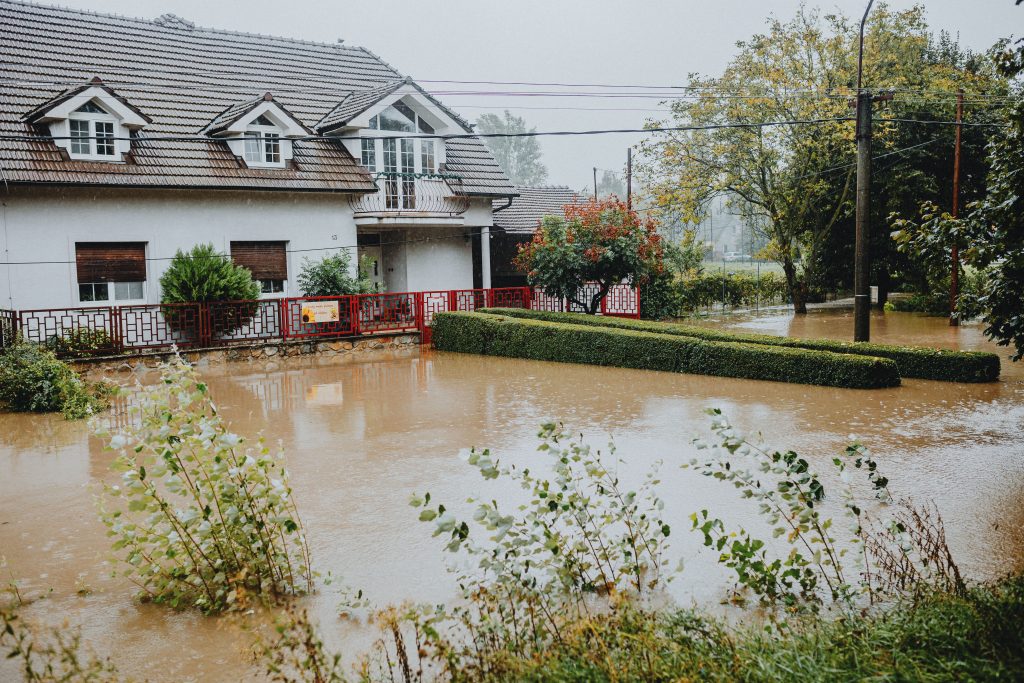
One of the biggest concerns homeowners face after a disaster is navigating the insurance claims process.
Fortunately, many restoration companies work directly with insurance providers. They document damage thoroughly, prepare detailed estimates, photograph affected areas, and communicate with insurance adjusters throughout the project.
This documentation helps support the claim and often speeds up the approval process.
Homeowners should also keep copies of receipts for temporary lodging, emergency repairs, and other disaster-related expenses that may qualify for reimbursement.
Common Mistakes Homeowners Make
During an emergency, it is natural to want to begin cleaning immediately. However, several common mistakes can make restoration more difficult.
One of the biggest errors is waiting too long to call a restoration company. Water damage becomes significantly worse with time, and smoke residue becomes increasingly difficult to remove.
Another mistake is assuming visible damage represents the full extent of the problem. Hidden moisture often remains trapped inside walls and flooring long after surfaces appear dry.
Homeowners should also avoid entering structurally damaged areas before they have been inspected by professionals.
Taking photographs before beginning cleanup is another important step that many people overlook, yet it can make a significant difference during the insurance claims process.
Choosing the Right Emergency Restoration Company
Not every contractor offers true emergency restoration services. When selecting a company, homeowners should look for providers with experience handling water, fire, and storm damage as well as emergency response capabilities.
A reputable restoration company should offer:
- 24/7 emergency availability
- Fast response times
- Licensed and insured technicians
- Modern restoration equipment
- Assistance with insurance claims
- Full reconstruction services
- Positive customer reviews
Choosing a company that can manage the project from initial mitigation through final reconstruction often results in better communication and a smoother restoration experience.
When Should You Call Immediately?
You should contact an emergency restoration company whenever your property experiences:
- Significant water intrusion
- Fire or smoke damage
- Storm-related roof damage
- Flooding
- Sewage backups
- Structural damage
- Major plumbing failures
- Sudden mold growth after water damage
Even if the damage appears minor, a professional inspection can identify hidden issues before they become much more expensive to repair.
Conclusion
Property emergencies are stressful, but knowing when to call for professional help can make a significant difference in both the recovery process and the final outcome. Emergency restoration services are designed to respond quickly, stabilize damaged properties, prevent additional destruction, and begin the restoration process immediately after a disaster occurs. Whether your home has been affected by water, fire, storms, sewage, or other unexpected events, fast action is one of the most effective ways to protect your investment.
By partnering with an experienced restoration company that offers 24/7 emergency response, homeowners can minimize damage, simplify the insurance process, and begin rebuilding with confidence. The sooner restoration professionals arrive, the greater the opportunity to preserve your property, reduce repair costs, and return your home to a safe, comfortable condition.






Comments