
 By
By 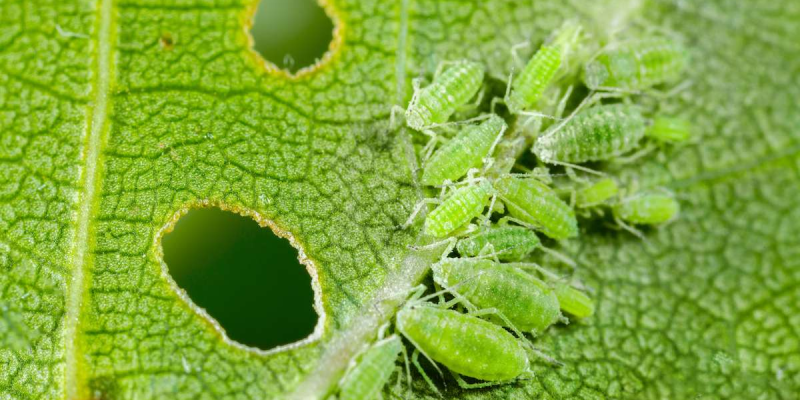
Aphids are tiny, sap-sucking insects that can quietly weaken even the sturdiest of trees. Left unchecked, they distort fresh growth and leave leaves sticky and dull.
Fortunately, their spread is manageable once recognised early, and there are many humane, effective ways to protect your garden.
Here’s a clear, practical guide to spotting, controlling, and preventing aphids while keeping the natural rhythm of your trees intact.
Spotting the Telltale Signs
The signs of aphids can be surprisingly subtle at first.
Curling leaves, twisted shoots, and slowed growth often provide the earliest warnings. Young foliage, which should appear open and fresh, can instead look puckered and worn out.
Honeydew, a shiny residue left behind by feeding aphids, clings to leaves and branches. While it glimmers at first, this sweet layer soon attracts ants and encourages sooty mould, a dark fungus that inhibits photosynthesis.
In severe cases, leaves become coated, and sunlight can’t reach the cells, weakening the tree further.
The colours can also vary. Green aphids blend into leaves, while black varieties stand out more sharply. Woolly aphids carry a fluffy white covering that makes them look like fungus at a glance.
Checking the undersides of leaves is vital, as that’s where colonies prefer to gather in numbers.
By linking observation with seasonal timing, the chances of catching them improve. Early spring inspections are especially important, since aphids multiply quickly in warmer weather.
Gauging the Extent of the Problem
Once aphids are spotted, the real task lies in measuring their effect.
A light scattering across one or two branches shouldn’t call for drastic measures, but a canopy speckled with clusters demands attention.
Severity isn’t only about numbers but also impact. A tree with yellowing leaves, sticky stems, or slowed shoot development is clearly under stress. Trees planted in poor soil or facing drought suffer faster damage than those in rich, well-watered conditions.
It’s also worth noting that certain species are more vulnerable. Apple and cherry trees, for instance, often attract woolly aphids, while roses draw greenfly.
Paying attention to the species in your garden helps predict when problems are most likely.
Taking photographs during inspection can help track progress across weeks. By comparing images, it’s easier to judge whether the population is stable, growing, or shrinking, which in turn guides the right response.
Calling on Nature’s Allies
Every garden has natural helpers if it’s managed with variety in mind.
Ladybirds, lacewings, and hoverflies thrive when the right conditions exist. Flowering plants, such as dill, fennel, and yarrow, attract hoverflies, whose larvae consume large numbers of aphids.
Creating a wildlife-friendly environment makes a difference.
Allowing a patch of wildflowers to grow, leaving seed heads over winter, and avoiding harsh chemicals encourage these beneficial insects to settle. Once they’re present, they patrol the garden tirelessly.
Birds, too, play a role. Tits and sparrows feed their chicks on aphids in spring. Providing nesting boxes or safe hedges gives them reason to visit regularly.
By weaving together insects, birds, and varied plantings, you create a living defence line that adapts to the seasons.
Even with these allies, infestations sometimes outpace control. In these situations, balancing predators and mild sprays ensures pest reduction without upsetting the larger ecosystem.
Making Your Own Gentle Spray
Homemade insecticidal soap remains one of the simplest and safest tools for small outbreaks.
A tablespoon of mild soap diluted in a litre of water sprayed on the tree disrupts the aphids’ soft bodies. Remember to spray thoroughly, especially beneath the leaves.
Practicality counts as well. Store the mixture out of sunlight, refresh it every fortnight, and apply it in cooler parts of the day. It’s wise to test on a small section of the tree first, to ensure the soap isn’t too harsh for that species.
For gardeners wary of frequent applications, alternating soap sprays with a water jet can be effective. The water knocks the clusters away, while the soap prevents quick recolonisation.
This rotation makes the process less monotonous and keeps results consistent.
Because it avoids strong chemicals, insecticidal soap is particularly suitable in family gardens or areas frequented by pets. It adds a layer of control while keeping the garden atmosphere safe and welcoming.
Still, when infestations prove stubborn, many gardeners look for a more powerful but equally natural option.
Turning to Neem Oil
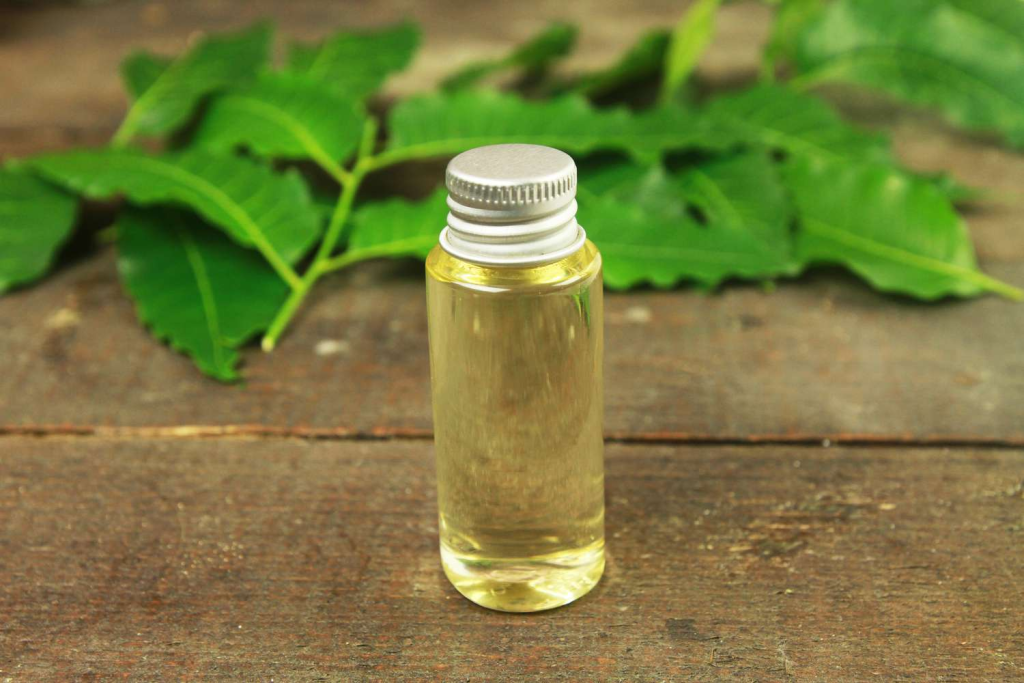
Neem oil stands as a bridge between gentle solutions and professional treatments.
Derived from the neem tree, it halts aphid feeding and breeding without killing beneficial insects when it’s applied carefully.
Spraying at dawn or dusk reduces harm to pollinators and ensures the liquid lingers on leaves longer without evaporating in the midday sun. Covering both the upper and lower surfaces of leaves ensures thorough contact.
Beyond aphids, neem oil has the added advantage of discouraging other pests, such as scale insects and whiteflies. This makes it particularly valuable for fruit trees that attract multiple visitors throughout the year.
With consistent use, trees regain vigour by pushing out new shoots and reclaiming their natural shapes.
Persistence is essential. One or two sprays rarely suffice. Routine care transforms neem into a quiet protector, safeguarding trees from season to season without disrupting the balance of the wider garden.
Removing Them by Hand
Sometimes, the most direct action proves the most satisfying.
A strong jet from the hose removes large groups quickly, particularly in the cooler hours of morning. The dislodged insects struggle to return, buying time for the tree to recover.
For smaller colonies, hand-wiping works well. A damp cloth, gently brushed over curled leaves, clears both insects and their sticky honeydew. This approach is best suited for younger trees or prized ornamentals, where detail matters and patience is part of the care.
It’s worth repeating weekly during high-risk periods. Aphids reproduce so rapidly that missing a cluster one week can mean a reinfestation the next.
This method works best when used consistently, especially when paired with more comprehensive garden management techniques.
The simplicity of hand removal also encourages closer connection with the garden, prompting regular observation that helps prevent future issues. Yet, for older or heavily infested trees, qualified intervention remains the more practical choice.
Knowing When to Call for Help
Some infestations grow beyond what hand sprays, predators, or cloths can solve.
Trees coated in honeydew, branches shedding leaves prematurely, or repeated regrowth of colonies all suggest deeper trouble.
Skilled guidance becomes invaluable here. Trained arborists prune infected branches and apply treatments suited to each species.
In certain cases, such as large heritage trees or those weakened by previous disease, attentive care can prevent losses that amateur efforts can’t.
Tree health shouldn’t be left to chance when severe signs appear. Certified tree pruning services provide peace of mind by precisely managing the tree’s structure, liveliness, and future growth.
In rare cases, removal can be necessary, but often timely pruning restores balance before matters worsen.
Conclusion
Despite their tenacity, aphids don’t have to dictate how your trees live. With awareness, patience, and the right mix of methods, their effect can be softened and reversed.
Whether through natural predators, gentle sprays, or expert care, the result is the same: healthier trees and a more vibrant garden.







Comments