
 By
By 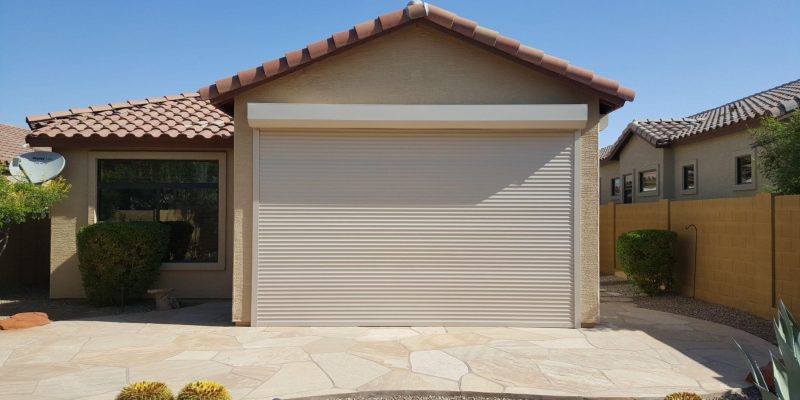
Protecting a home starts with strengthening its most vulnerable points. Windows, doors, patios, and large glass openings are often the first targets during a break-in attempt. Rolling shutters have become a popular security solution because they provide a physical barrier that helps prevent unauthorized access, while also offering additional benefits such as enhanced privacy, weather protection, and improved energy efficiency.
Choosing the right rolling shutters for security requires more than picking a basic model. Homeowners should understand the types of materials, construction, and operation, as well as installation considerations, and how shutters fit into a broader security strategy. This guide breaks down the most important factors to consider when selecting rolling shutters designed for protection.
Understanding How Rolling Shutters Improve Security
Rolling shutters are installed on the exterior of openings and roll down vertically when deployed. Once closed, they form a solid layer between the outside and the interior of the home. Unlike alarms or cameras that alert homeowners after an intrusion attempt begins, rolling shutters help prevent access in the first place.
Their strength lies in physical resistance. Shutters reinforce windows and doors, making forced entry more difficult and time-consuming. This added effort can discourage intruders before damage occurs. In many cases, the visible presence of rolling shutters alone can act as a deterrent.
Choosing the Right Material
Material selection plays a major role in security performance. High-quality rolling shutters are typically made from aluminum or steel, with aluminum being the most common choice for residential applications.
Aluminum shutters offer an effective balance between strength and weight. They are resistant to corrosion, durable in harsh climates, and capable of withstanding impact. Many aluminum shutters are reinforced or filled with insulating materials, which adds rigidity and improves overall performance.
Steel shutters are heavier and often used in commercial settings where maximum strength is required. For most homes, reinforced aluminum provides strong security without adding unnecessary weight or strain on mounting hardware.
When evaluating materials, homeowners should look for shutters that are designed specifically for security rather than decorative or light-duty use.
Construction and Design Features
Not all rolling shutters are built the same. Construction quality directly affects how well shutters perform during attempted entry.
Look for shutters with tightly interlocking slats. These reduce weak points and make it harder to pry individual sections apart. Thicker slats generally provide better resistance to force and impact.
Side guides are another critical component. Strong guide rails help keep the shutter aligned and prevent it from being pushed out of place. Reinforced guides add stability and improve resistance against forced entry.
The housing or hood that holds the shutter when open should also be durable and securely mounted. While the housing is not typically a target, its quality affects the overall reliability of the system.
Manual vs Motorized Operation
Rolling shutters are available with manual or motorized operation. Both can offer security benefits, but the choice depends on usage preferences and home layout.
Manual shutters are operated using a crank, a strap, or a spring mechanism. They are reliable, do not depend on electricity, and can be a practical option for smaller openings.
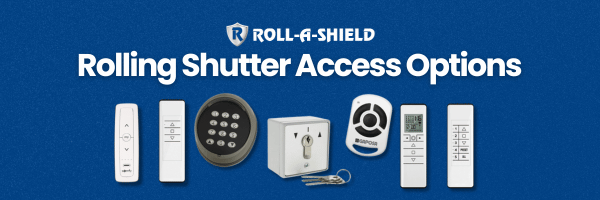
Motorized shutters are controlled using switches, remotes, or smart home systems. They offer convenience, especially for large windows or multiple openings. From a security standpoint, motorized shutters can be integrated with timers or automation, allowing shutters to close automatically at certain times or when the home is unoccupied.
Some homeowners choose motorized systems with backup power options to ensure shutters can be operated during power outages.
Locking and Retention Systems
A strong shutter still needs a reliable way to stay in place when closed. Locking and retention mechanisms are essential for security.
Many rolling shutters use bottom locks, end locks, or automatic locking systems that engage when the shutter is fully closed. These features prevent the shutter from being lifted from the outside.
When selecting shutters, it is important to confirm that the locking system is designed to resist upward force and tampering. A well-designed retention system adds another layer of protection and improves overall effectiveness.
Rolling Shutter Installation Quality Matters
Even the best rolling shutters can fail if they are not installed correctly. Proper installation ensures that shutters sit flush against the opening and that all components are securely anchored.
Mounting hardware should be appropriate for the wall type, whether masonry, concrete, wood, or steel framing. Guide rails must be aligned correctly, and fasteners should be placed at proper intervals to prevent movement.
Professional installation is often recommended for security-focused shutters, especially for larger openings or motorized systems. Proper installation helps ensure that shutters perform as intended during real-world conditions.
Coverage Areas to Prioritize
When planning rolling shutter installation for security, homeowners should prioritize openings that present the highest risk.
Ground-level windows are common entry points and should be among the first to be protected. Sliding glass doors, patio doors, and large windows also benefit significantly from shutters due to their size and accessibility.
Street-facing windows, alley-facing openings, and areas hidden from view are often targeted by intruders. Securing these locations helps reduce overall risk.
Some homeowners choose to install shutters on all openings, while others focus on the most vulnerable areas first and expand coverage over time.
Integrating Rolling Shutters With Other Security Measures
Rolling shutters work best as part of a layered security approach. While they provide physical protection, they can be combined with other measures for enhanced safety.
Alarm systems, cameras, motion lighting, and reinforced doors complement rolling shutters by addressing detection and monitoring. Shutters reduce the likelihood of entry, while other systems provide alerts and documentation.
This layered strategy increases overall effectiveness and provides peace of mind whether the home is occupied or unoccupied.

Privacy and Noise Reduction Benefits of Rolling Shutters
In addition to security, rolling shutters offer privacy by blocking visibility into the home. This is particularly useful for bedrooms, bathrooms, and street-facing rooms.
They also reduce noise by adding an exterior barrier that limits sound transfer. For homes near traffic, schools, or commercial areas, this can significantly improve indoor comfort.
These added benefits enhance daily living while reinforcing the security value of the shutters.
Durability and Maintenance Considerations
Security shutters should be designed for long-term use. Quality systems are built to withstand frequent operation, weather exposure, and environmental stress.
Maintenance requirements are generally minimal. Periodic cleaning, visual inspections, and occasional lubrication help ensure smooth operation. Motorized systems may require additional checks, but they are designed for reliability.
Choosing shutters with durable finishes and corrosion-resistant materials helps extend lifespan and maintain performance over time.
Evaluating Long-Term Value of Rolling Shutters
When selecting rolling shutters for security, it is important to consider long-term value rather than just initial cost. High-quality shutters may require a higher upfront investment, but they often provide greater durability, better performance, and fewer issues over time.
They can also help reduce repair costs from break-ins, weather damage, and sun exposure. Combined with energy efficiency benefits and improved comfort, rolling shutters deliver value that extends well beyond security alone.
Making an Informed Choice
Choosing the best rolling shutters for security involves understanding materials, construction, operation, and installation. By focusing on quality and suitability for your home, you can select a system that provides dependable protection and lasting benefits.
Rolling shutters are more than a visual deterrent. When chosen carefully and installed correctly, they offer a strong physical defense that enhances security, privacy, and peace of mind for years to come.









Comments