
 By
By 
Your carpet carries the quiet evidence of daily life, from winter grit at the doorway to the pale dust of a dry summer afternoon.
If you match the cleaning to the fibre beneath your feet, you protect the pile, the colour, and the comfort of the room.
With a few well-timed habits, you can keep each carpet type fresh, resilient, and pleasing to live with.
Learn What Your Carpet Is Made Of
Before you decide how frequently to clean, take a moment to identify the fibre and pile, since each combination behaves differently with moisture, heat, and friction.
Nylon and polypropylene tend to shrug off day-to-day wear, while wool and other natural fibres reward gentler handling and steadier drying.
Even when the fibre is the same, a tight-loop pile can trap grit near the backing, while a cut pile tends to look flatter sooner, particularly in the spots where you tend to turn or stop.
You can usually find guidance on an offcut, a label, or the paperwork that came with the flooring, and it’s worth keeping that note somewhere easy to reach.
If there’s no information, a small hidden patch test helps you see how the fibres respond to cleaners and how quickly the backing releases moisture.
With this in mind, you avoid the two common mistakes of cleaning too lightly for stubborn soil or cleaning too aggressively and shortening the carpet’s life.
Set A Vacuuming Rhythm That Protects Fibres
Vacuuming is the quiet foundation of carpet care, because most visible dullness comes from dry particles that get ground deeper with every step.
In busy rooms such as hallways, lounges, and home offices, vacuuming two or three times a week prevents grit from acting like sandpaper. In calmer spaces, once a week is usually enough, and a guest room may need less when it’s rarely used.
Technique matters as much as frequency. Slow passes lift more debris than quick sweeps, and it helps to overlap your lines so the head reaches the base of the pile.
If your vacuum has a brush roll, adjust it to suit the carpet, since a setting that is too aggressive can fuzz natural fibres and pull at looped constructions.
Meanwhile, don’t neglect edges and under radiators, because dust gathers there and drifts back into the room whenever the air warms.
Time Deep Cleans For Synthetic Carpets
Synthetic carpets are built for practicality, which means they can cope with deeper cleaning on a steady schedule without losing their shape.
For most homes, a thorough clean every six to twelve months is a sensible rhythm, and households with children, pets, or frequent visitors may benefit from the shorter end of that range.
When the air feels damp or the days are slow to dry, choosing a lighter method and allowing extra ventilation can prevent that lingering mustiness that sometimes follows an enthusiastic wash.
Hot water extraction works well for many synthetics, since it rinses out oily residue as well as fine dirt that vacuuming can’t reach. The key is to avoid overwetting because even tough fibres can suffer if moisture sits on the backing.
If you spill wine, coffee, or bright sauce, blot first rather than rub. Then, use a cleaner made for synthetic fibres and rinse lightly, so no sticky film remains. As a result, stains are less likely to reappear as the carpet dries and the room returns to normal life.
Handle Wool And Natural Fibres With A Lighter Touch
Wool, cotton, sisal, and jute bring warmth and texture that feel especially inviting in winter light, yet they ask for a different pace of cleaning.
For wool and other delicate fibres, a deep cleaning every nine to twelve months suits many homes, while a shaded entrance or a dining area needs attention closer to every six months if marks build up.
The aim is to keep soil from becoming embedded, without stressing the fibres with too much moisture or harsh chemistry.
Low-moisture methods, careful detergents, and patient drying protect the natural structure of the pile and reduce the risk of shrinkage or rippling.
If you notice dull patches, a slightly rough feel underfoot, or lingering odours after spills, that’s a sign the dirt has moved beyond the surface.
In those moments, a specialist service offering on-site carpet cleaning can treat the carpet according to its fibre and backing, which is especially helpful when warranties or premium rugs are involved.
Adjust Care For High-Traffic And Low-Traffic Rooms
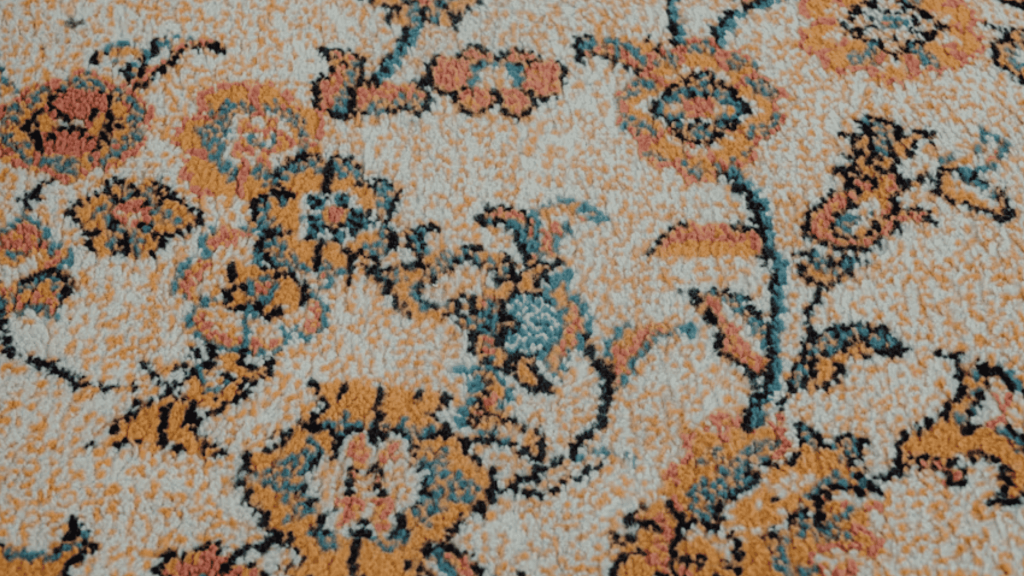
Not every room needs the same depth or timing, because wear is shaped by how you enter, where you stop, and what you carry in.
High-traffic areas benefit from a deeper clean every three to four months, particularly in homes where the front door opens straight into a carpet.
A good doormat system, shoes-off habits, and a small rug in the turning point of a hallway can noticeably reduce the dirt that reaches the pile. You can also shift furniture slightly now and then so the same strip isn’t taking the full weight of daily life.
Low-traffic rooms can be treated with a lighter hand. A bedroom that sees bare feet and quiet evenings may only need a deep clean once a year, ideally when seasons change and you are already refreshing the house.
Spot cleaning still matters, since a small mark can set while you sleep and become harder to lift later. In the same spirit, a quick vacuum before guests arrive keeps the carpet bright while preserving fibres by avoiding unnecessary heavy cleaning.
Decide When To Clean Yourself And When To Call Experts
If you focus on quick responses and sensible products, you can achieve significant results at home.
Blotting spills immediately, lifting crumbs before they grind in, and using a small amount of suitable cleaner prevents many stains from becoming permanent.
Renting a machine can also work for routine deep cleaning on hard-wearing synthetics, provided you rinse well and let the carpet dry fully with airflow and warmth.
There are times, however, when expert equipment and training are the safer route. If the carpet stays tacky after cleaning, smells stale even when dry, or shows dark patches that keep returning, residue or moisture may be trapped below the surface.
A reputable professional will explain the method, drying time, and aftercare in clear terms and will avoid leaving the carpet soaking.
In the end, the best choice is the one that protects your carpet’s structure while fitting the reality of your home, your schedule, and the seasons outside your windows.
Conclusion
A carpet stays at its best when the cleaning routine matches the weave in the room and the way you live in it.
Keep the small habits steady, step up to deeper cleans at sensible intervals, and let seasonal resets guide you without overdoing it.
In time, you’ll feel the difference in the softness underfoot and see it in the calmer, brighter look of the whole room.












Comments