
 By
By 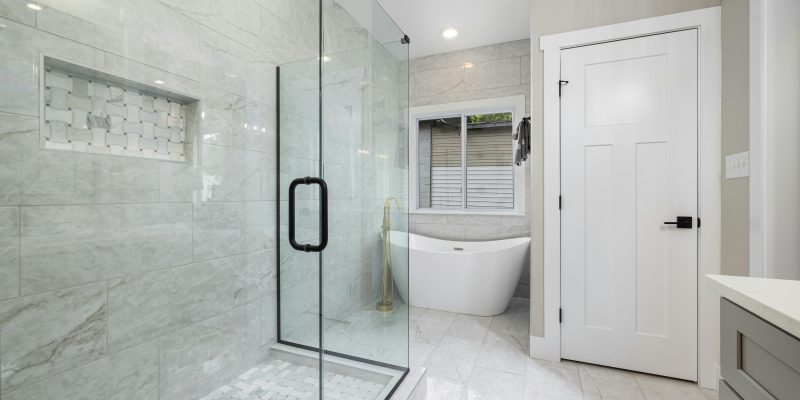
Planning a bathroom renovation is exciting, right up until the moment you start looking at price tags. Suddenly, a project that felt straightforward starts to feel complicated. Where does the money actually go? What should you spend more on and what can you save on? And most importantly, how do you put together a realistic budget before you’ve even spoken to a contractor?
The good news is that bathroom renovation costs follow predictable patterns once you understand what’s driving them. One of the first things to research before finalizing a budget is the bathroom vanity installation cost, since the vanity is typically the single most visible and most variable expense in any bathroom remodel. Depending on the style, size, and whether the unit is stock or custom, vanity costs alone can range from a few hundred dollars to several thousand, and installation adds another layer to that number.
Start With a Clear Scope of Work
Before you can budget accurately, you need to know what you’re actually changing. A bathroom renovation can mean very different things to different homeowners. For some, it means swapping out old fixtures and refreshing the tile. For others, it means gutting the space down to the studs and rebuilding it from scratch.
These two projects are not remotely the same in terms of cost, time, or complexity. A cosmetic refresh in a smaller bathroom might run between $3,000 and $8,000. A full gut renovation with plumbing relocation and custom finishes can easily reach $20,000 or beyond. Knowing which category your project falls into from the start prevents the frustration of building a budget around the wrong numbers.
The Fixtures: Where Quality Really Shows
Fixtures like toilets, faucets, showerheads, towel bars, and lighting are the details people notice most in a finished bathroom. They’re also one of the areas where you have the most flexibility to control costs without sacrificing the overall look of the space.
A standard two-piece toilet starts around $150 to $200 and does the job reliably for years. A wall-hung model with a concealed tank starts at $600 and climbs from there. The same logic applies to faucets. A clean, simple faucet set from a reputable brand costs $80 to $150. A designer version of roughly the same function? Easily $400 or more.
This doesn’t mean you should always go with the cheapest option, far from it. But it does mean that being selective about where you invest in quality allows you to balance the budget across the whole project more thoughtfully.
Tile and Flooring: The Area That Surprises Most People
Tile is one of the most underestimated line items in a bathroom renovation budget, and it catches a lot of homeowners off guard. The material cost per square foot is just the beginning. You also need to account for adhesive, grout, backer board, and the labor to install it, which can run $8 to $15 per square foot on its own, sometimes more for detailed patterns or large-format tiles.
For a standard 50-square-foot bathroom, that adds up quickly. Budget-conscious homeowners often find that choosing a simple, timeless tile pattern in a mid-range ceramic keeps costs manageable while still producing a finished look they’re genuinely happy with. Saving premium stone or intricate mosaic tile for a single accent area like a shower niche or floor border is a practical way to add a design moment without multiplying the tile budget across the whole room.
Don’t Overlook Plumbing and Electrical
Any time a renovation involves moving pipes, adding outlets, installing new lighting circuits, or upgrading an exhaust fan, you’re in licensed-trade territory. Plumbers and electricians charge by the hour and those hours add up fast, particularly when older homes reveal surprises behind the walls, like outdated wiring or corroded supply lines.
If your bathroom layout is staying the same and you’re only replacing fixtures in their current locations, plumbing costs stay relatively contained. If you’re moving the toilet, relocating the shower, or adding a double sink where there was only one, expect that number to climb. Getting a detailed, itemized quote from your contractor before work begins is the single best way to avoid sticker shock mid-project.
When a Vanity and Countertop Upgrade Changes Everything
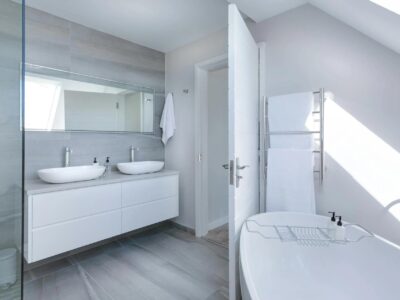
Sometimes the most impactful renovation isn’t a full overhaul, it’s one well-chosen upgrade that transforms how the entire room feels. A vanity and countertop upgrade is often the move that delivers the biggest visual return for the investment. Replacing a builder-grade vanity with a floating unit in a warm wood finish, paired with a quartz or marble-look countertop, can make a dated bathroom feel genuinely current without touching the tile, shower, or plumbing.
This approach also gives homeowners a more manageable entry point into bathroom renovation, especially if a full remodel isn’t in the budget right now. Doing it in phases like vanity first, shower refresh later keeps quality high without overextending financially.
Build a Buffer Into Every Budget
No matter how carefully you plan, bathroom renovations have a way of uncovering surprises. Water damage behind old tile, subfloor issues under worn-out vinyl, or aging supply lines that need replacing are all common discoveries that weren’t in the original scope. Setting aside 15 to 20 percent of your total budget as a contingency isn’t pessimism, it’s just practical planning.
The homeowners who enjoy their renovation experience most are almost always the ones who went in with realistic expectations, a clear scope, and a little financial breathing room. With the right preparation, a bathroom remodel doesn’t have to be stressful, it can actually be one of the most satisfying home projects you take on.










Comments