
 By
By 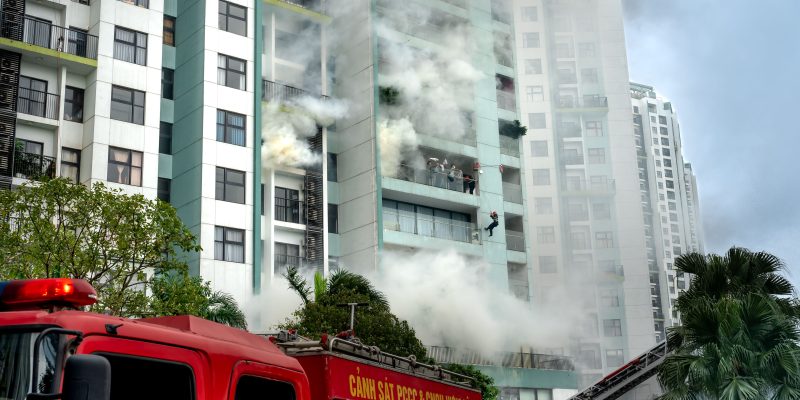
When water or fire damages your home, waiting until the next business day to deal with the problem can make an already difficult situation much worse. A burst pipe can continue releasing water into walls and flooring, while smoke and soot can keep affecting surfaces long after a fire has been extinguished.
Having access to emergency restoration services at any hour gives homeowners a way to respond quickly, limit additional damage, and begin recovery before a manageable problem turns into a major reconstruction project.
The first few hours after a property emergency are often critical. What happens during that period can influence how much of the original structure can be saved, how extensive repairs become, and how long your family may be displaced. Professional restoration is not simply about cleaning up what you can see. It involves identifying hidden damage, stabilizing the property, removing contaminants, drying affected materials, and developing a plan for complete recovery.
Why Fast Response Makes a Difference
Water and fire damage do not stop developing simply because the original emergency has ended. A plumber may stop a leaking pipe, or firefighters may put out the flames, but the resulting damage can continue to affect the property.
Water can move through porous materials surprisingly quickly. Drywall, insulation, carpeting, hardwood flooring, and wood framing can absorb moisture and begin deteriorating. If damp materials are not dried properly, mold may develop and create another layer of restoration work.
Fire presents a different challenge. Smoke particles can travel throughout a home through natural air movement and HVAC systems. Soot can settle on walls, ceilings, furniture, electronics, and personal belongings. Some residues can cause staining or corrosion when left untreated.
A rapid professional response addresses these secondary effects before they become more difficult and expensive to manage.
What Happens When You Call for Emergency Restoration?
The process usually begins with a phone assessment. A restoration professional will ask about what happened, where the damage occurred, whether anyone is in immediate danger, and whether the source of the problem has been stopped.
When technicians arrive, safety comes first. They inspect the property for electrical hazards, structural instability, gas concerns, contaminated water, or other conditions that could put occupants or workers at risk.
After the property is considered safe enough to enter, technicians assess the extent of the damage. This initial evaluation helps determine what equipment, labor, and restoration procedures will be required.
The goal is to stabilize the property first and then develop a practical plan for restoring it.
Water Damage Requires Immediate Extraction
Water damage is particularly time-sensitive because moisture can spread well beyond the area where the leak started.
Imagine a washing machine hose breaking while a homeowner is away for several hours. By the time the problem is discovered, water may have traveled beneath flooring, soaked drywall, and reached adjacent rooms. Simply mopping the visible water will not address what has already penetrated the structure.
Professional restoration technicians use high-capacity extraction equipment to remove standing water quickly. They then use air movers and commercial dehumidifiers to dry materials that have absorbed moisture.
Moisture readings are taken throughout the process to determine whether areas that appear dry are actually dry inside. This is an important distinction because hidden moisture can cause problems long after the property looks normal again.
Hidden Water Damage Can Be the Most Expensive
One reason homeowners benefit from professional restoration is that much of the damage may not be visible.
Water can become trapped behind baseboards, underneath flooring, inside wall cavities, and beneath cabinets. Insulation can remain damp even when the surface of a wall feels dry.
Without specialized moisture detection equipment, these areas are easy to overlook.
Professional technicians may use moisture meters and thermal imaging cameras to locate areas that require additional drying. Identifying these problems early helps prevent mold, wood deterioration, unpleasant odors, and repeated repairs.
Fire Damage Continues After the Flames Are Out
A fire emergency does not end when the flames have been extinguished.
Smoke and soot can continue damaging surfaces throughout the property. Fine particles may settle on walls, ceilings, flooring, furniture, and personal possessions. Depending on what burned, the residue may be oily, acidic, or difficult to remove without specialized cleaning methods.
Water used by firefighters can create additional moisture problems. Floors, walls, ceilings, and contents may become saturated during firefighting efforts.
That means a fire-damaged property may require both smoke and soot cleanup and water mitigation.
Responding quickly allows restoration professionals to address both types of damage before they compound one another.
Smoke Odors Can Become Difficult to Remove
The smell left behind after a fire can remain long after visible soot has been cleaned.
Smoke particles can penetrate porous materials such as upholstery, carpeting, curtains, insulation, and wood. Standard household cleaning products or air fresheners may temporarily mask the odor without removing the source.
Professional restoration teams use specialized deodorization and air-cleaning techniques based on the type and severity of the contamination.
Early treatment can improve the likelihood of restoring affected materials instead of replacing them.
Protecting Your Belongings After a Disaster
Water and fire damage can affect much more than the structure itself. Furniture, clothing, electronics, photographs, documents, artwork, and sentimental items may also be at risk.
Professional restoration teams can assess which belongings can potentially be cleaned or restored. Items that are salvageable may be treated using specialized cleaning, drying, or deodorization methods.
In some cases, contents are moved to a controlled facility where they can be processed safely.
Quick action is particularly important for photographs, documents, and other items that may deteriorate rapidly when exposed to water or excessive humidity.
Emergency Board-Up and Temporary Protection
A damaged property may be vulnerable to additional problems after a fire or severe storm.
Broken windows, damaged doors, and compromised roofing can leave the interior exposed to weather and unauthorized entry. Temporary board-up and roof-tarping services help protect the structure while permanent repairs are being planned.
These measures are not intended to replace proper repairs. Their purpose is to prevent the situation from getting worse while the restoration project moves forward.
Documentation and Insurance Claims
Another important benefit of a fast restoration response is early documentation.
Restoration professionals typically photograph affected areas, record moisture readings, document damaged materials, and prepare estimates describing the required work.
This information can help homeowners communicate more effectively with their insurance company and provides a record of the property’s condition before major cleanup or reconstruction begins.
Homeowners should also photograph the damage themselves when it is safe to do so and keep receipts for emergency expenses.
Good documentation can make the claims process easier to manage.
What Can Happen If Restoration Is Delayed?
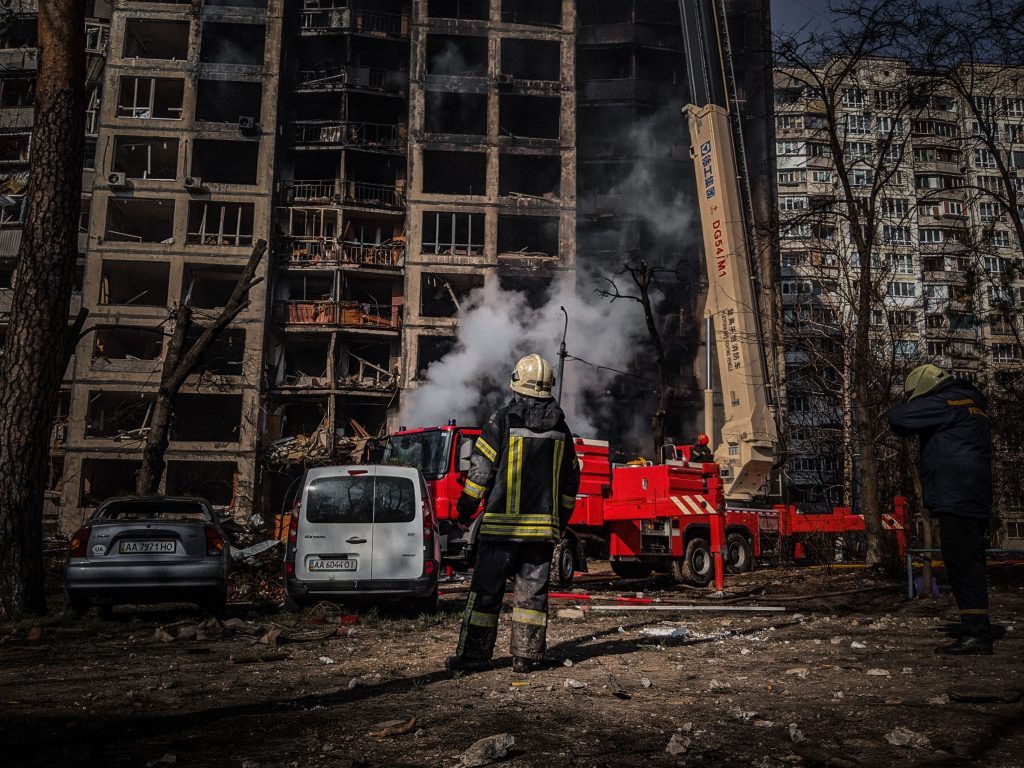
Delaying professional assistance does not necessarily mean a property will become a total loss, but it can increase the likelihood of secondary damage.
With water, prolonged moisture exposure can contribute to mold growth, wood deterioration, damaged flooring, and worsening odors. Fire residue may become more difficult to clean from porous materials over time, while moisture from firefighting can create additional problems.
Storm-related openings can allow additional rainwater into the building.
The longer these conditions remain unresolved, the more complicated restoration may become.
Can Homeowners Handle Emergency Cleanup Themselves?
Small incidents may sometimes be manageable with household tools. For example, quickly cleaning up a small amount of clean water from a minor spill is very different from dealing with several inches of standing water.
Professional assistance becomes particularly important when water has reached walls or flooring, when the source is contaminated, when there is extensive fire or smoke damage, or when structural safety is uncertain.
Homeowners should also avoid entering areas affected by electrical hazards, unstable ceilings, or major structural damage.
When safety or the extent of the damage is uncertain, professional assessment is the safer option.
How to Choose a 24/7 Restoration Company
Not every company advertising emergency service provides the same level of response or expertise.
When comparing restoration providers, look for a company that offers genuine around-the-clock availability, experienced technicians, appropriate certifications, commercial-grade equipment, and clear communication throughout the project.
It is also useful to determine whether the company handles both mitigation and reconstruction. Having one team manage the project from emergency stabilization through final repairs can reduce communication problems and simplify the recovery process.
A strong local reputation and detailed customer reviews can provide additional insight into the company’s reliability.
How Fast Should a Restoration Company Respond?
The ideal response time depends on the situation, but emergency restoration should begin as soon as reasonably possible.
For significant water intrusion, immediate extraction can help limit the amount of moisture absorbed by building materials. After a fire, early smoke and soot cleanup can help reduce permanent staining and corrosion.
A company that can dispatch trained technicians quickly is better positioned to prevent secondary damage than one that cannot respond until the following day.
When contacting a restoration provider, ask about their typical emergency response time rather than assuming all 24/7 services operate the same way.
The Restoration Process After Emergency Mitigation
Emergency response is only the beginning. Once the immediate threat has been controlled, the property may require a longer restoration process.
Water-damaged structures may need continued drying, cleaning, antimicrobial treatment, and repairs. Fire-damaged properties may require extensive soot removal, deodorization, contents restoration, and reconstruction.
The final phase can involve replacing drywall, flooring, cabinets, roofing, insulation, or structural components.
The exact timeline depends on the severity of the damage and the amount of reconstruction required.
Conclusion
Water and fire damage can change quickly, and the first hours following an emergency can have a lasting impact on the final restoration cost and timeline. Fast professional response helps remove standing water, control moisture, address smoke and soot, protect personal belongings, secure vulnerable areas, and identify hidden damage before it becomes a larger problem.
For homeowners, the most important lesson is simple: don’t wait for visible damage to become worse before seeking help. A prompt assessment gives restoration professionals the opportunity to protect more of the property and reduce the complications that often follow delayed action. With a qualified 24/7 restoration team, homeowners can move from emergency response toward complete recovery with greater confidence and less disruption.





Comments