
 By
By 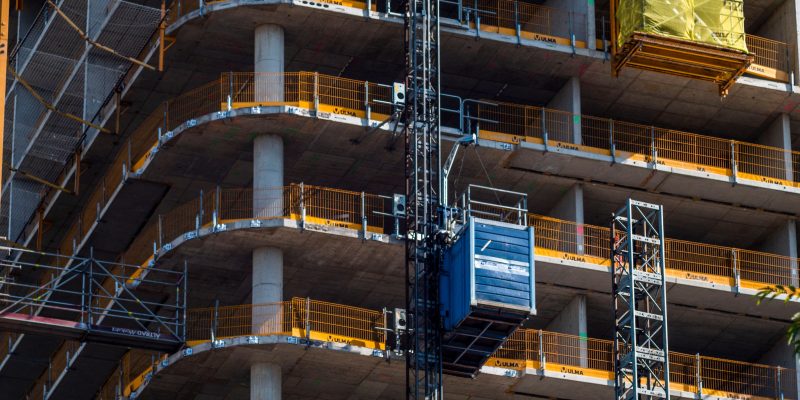
Construction has always evolved gradually, but the pace of change in building materials over recent years has been considerably more significant than the broader industry’s reputation for slow adoption might suggest.
Methods and materials that once required extensive on-site assembly and skilled trade labor are increasingly being replaced by engineered systems designed for faster, more predictable installation.
The rise of insulated metal panels Canada manufacturers have developed and refined represents a clear example of this broader shift, and understanding why this change is happening reveals a lot about where construction is genuinely headed.
Prefabrication Is Reshaping How Buildings Get Built
Traditional construction relies heavily on assembling multiple separate components on-site , framing, insulation, vapor barriers, exterior cladding , each installed as a distinct step by different trades.
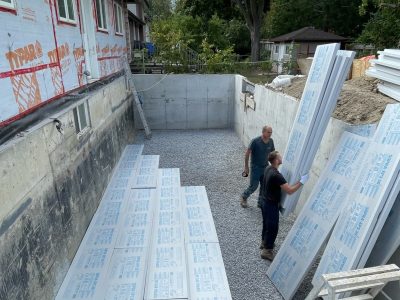
Modern engineered panel systems consolidate much of this functionality into a single, factory-manufactured component, shifting significant work from unpredictable job-site conditions into controlled manufacturing environments where quality and consistency can be maintained far more reliably.
This shift toward greater prefabrication reflects a broader trend across construction generally, as the industry increasingly recognizes the quality, consistency, and scheduling advantages that come from manufacturing more building components off-site rather than assembling everything from scratch during construction.
Combined Performance Characteristics Replace Multi-Component Assemblies
Older construction methods typically required multiple separate materials working together to achieve a building envelope’s full range of required performance characteristics , separate insulation, separate air barriers, separate structural components, each contributing one piece of overall performance.
Modern engineered panels increasingly combine several of these performance characteristics into a single integrated product, simplifying both the construction process and the ongoing performance verification required to confirm a building envelope actually performs as intended.
This consolidation reduces the number of separate points where installation errors or component incompatibilities can compromise overall building performance, since fewer individual components need to work together correctly to achieve the intended result.
Faster Installation Is Reshaping Construction Timelines
The construction industry has faced persistent pressure to compress project timelines, driven by financing costs, market conditions, and competitive pressure to bring projects into operation faster.
Modern building materials engineered for faster, simpler installation directly address this pressure, allowing building envelopes to be completed considerably faster than traditional multi-step assembly methods typically require.
This timeline compression has become a genuine competitive factor in construction project planning, influencing material selection decisions well beyond pure performance or cost considerations alone.
Quality Consistency Has Become a Genuine Differentiator
Traditional on-site construction methods depend heavily on the skill and consistency of individual trade workers assembling multiple components correctly, introducing genuine variability in final quality even among skilled, experienced crews. Factory-manufactured building systems reduce this variability considerably, since key performance characteristics are built into the manufactured product itself under controlled conditions, rather than depending entirely on correct field assembly of multiple separate components.
This quality consistency has become an increasingly important consideration for construction professionals and building owners, particularly for projects where consistent performance across an entire building envelope matters significantly to the facility’s operational success.
Sustainability Considerations Are Influencing Material Development
Growing attention to construction’s environmental impact has influenced how modern building materials are engineered, with manufacturers increasingly focused on improving thermal performance to reduce operational energy consumption, alongside considering material efficiency and waste reduction during the manufacturing process itself.
This sustainability focus reflects broader construction industry trends, as environmental performance becomes an increasingly significant factor in material selection decisions, alongside traditional considerations of cost and structural performance.
Specialized Industries Are Driving Material Innovation
Industries with particularly demanding building requirements , food processing, cold storage, specialized manufacturing , have driven significant innovation in building materials, since standard construction methods often can’t adequately meet their specific operational requirements.
This industry-driven innovation has produced increasingly sophisticated building material solutions, engineered specifically to address demanding sanitation, temperature control, and durability requirements that these specialized facilities genuinely require.
This pattern of specialized industry needs driving broader material innovation reflects how construction material development increasingly responds to genuine operational requirements, rather than following purely aesthetic or cost-driven trends.
Engineering Support Is Becoming Part of the Product Itself
Modern building material providers increasingly offer genuine engineering support , detailed technical drawings, installation specifications, performance documentation , as an integral part of their product offering, rather than treating technical support as a separate, optional service.
This integration reflects a broader shift in how construction materials are positioned, moving from simple physical products toward comprehensive building solutions that include the technical expertise needed to achieve their intended performance in actual practice.
The Bottom Line
Modern building materials are reshaping construction in ways that extend well beyond simple product improvements , changing how buildings get assembled, how quality gets achieved and verified, and how quickly projects can move from design to operational completion.
This shift toward more sophisticated, factory-engineered building systems reflects genuine advances in how construction addresses the combined demands of performance, speed, and quality that traditional methods increasingly struggle to meet simultaneously.
For construction professionals evaluating material options, understanding this broader industry shift helps explain why modern engineered systems increasingly represent the more capable choice for projects demanding genuine long-term performance.











Comments